




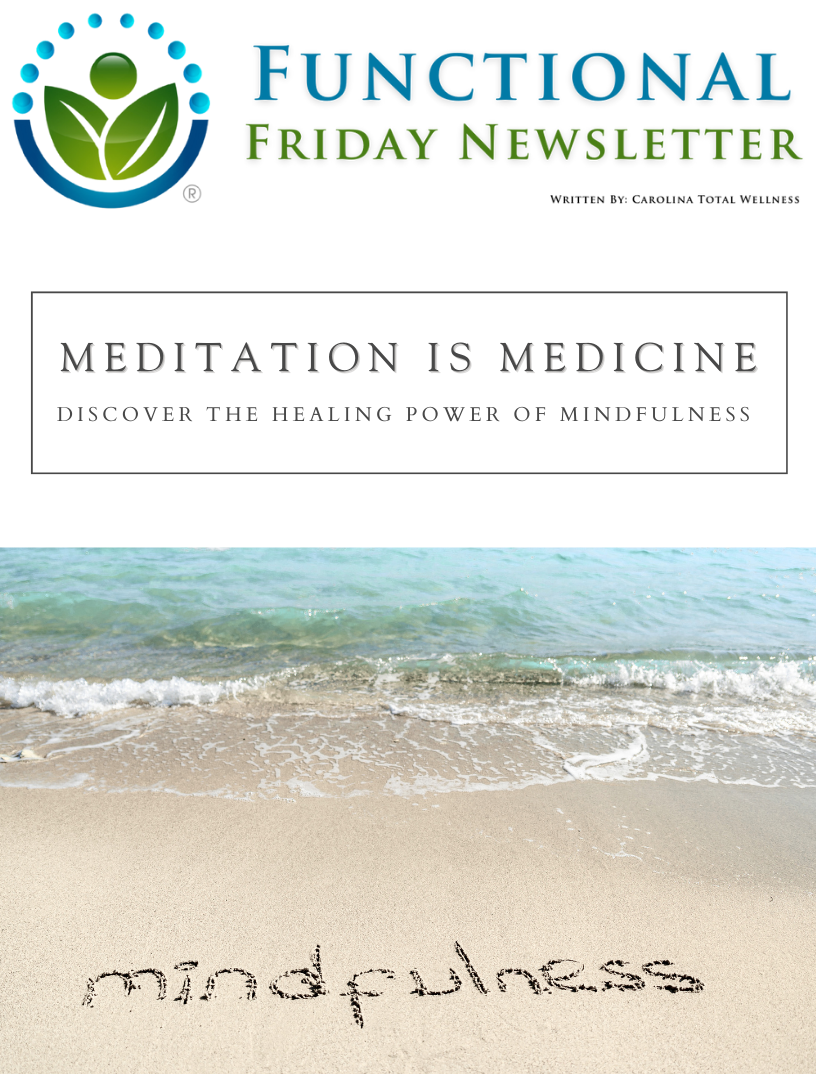
Meditation is no longer an abstract, “woo-woo” wellness trend — it’s one of the most well-studied mind-body interventions in modern medicine.
Decades of research across major journals including JAMA and The Lancet confirms that meditation measurably improves stress physiology, pain perception, hormone & immune balance, and emotional regulation — changes powerful enough to interest both physicians, performance scientists and, hopefully, you.

Heart Health Meditation activates the parasympathetic, “rest and digest”, branch of the nervous system. This calms the stress response that constricts blood vessels and raises blood pressure. Elite military units even use similar breath-based techniques to stabilize heart rate and sharpen focus during high-pressure missions.
With consistent practice, research shows that you can lower your resting heart rate and improve heart-rate variability — key markers of cardiovascular resilience.
Reduce Inflammation A 2016 meta-analysis in the Annals of the New York Academy of Sciences showed meditation improves several immune and inflammatory markers, supporting both inflammation control and infection resistance.
This translates to a reduced risk of metabolic, autoimmune, and degenerative conditions over time.
Balanced Hormones and Blood Sugar Regular mindfulness practices can improve insulin sensitivity and stabilize blood glucose — likely through reduced cortisol and adrenaline surges.
With consistent stillness practice, women in perimenopause or those with adrenal fatigue may sleep better, have more steady energy through the day and experience less hormone fluctuations.
Enhanced Immunity By reducing sympathetic overdrive and time spent in ‘fight or flight’, meditation supports immune regulation — not just boosting defenses but helping them self-modulate. Recent studies showed an 8-week mindfulness program increased antibody response to vaccines and meditators often recover from illness more quickly.
Improved Sleep Quality & Mental Clarity Meditation improves melatonin secretion and reduces nighttime cortisol. A Lancet trial found Mindfulness-Based Strategies as effective as antidepressants in preventing relapse. Corporate mindfulness programs at Google, General Mills, and Nike reduce burnout and boost creativity.

Take just 5 minutes today and begin:
Start small 5 minutes a day of focused breathing or guided meditation.
Anchor it to an existing habit morning coffee, lunch break, or bedtime.
Use tools apps like Insight Timer or Calm; or simply a timer and quiet space.
Progress gradually consistency matters more than duration.
Meditation isn’t “woo.” It’s nervous system retraining that restores physiological coherence — the foundation for hormonal balance, digestion, detoxification, and immune vitality. When you calm your mind, you calm your mitochondria, and healing begins from the inside out.
A few minutes of daily stillness can lower blood pressure, ease inflammation, support hormones, sharpen cognition, and enhance recovery. Meditation is free, portable, and scientifically validated — a true whole-body longevity practice.
Make an appointment with your Carolina Total Wellness health coach to create a plan for stillness that fits into your busy life and supports your unique health goals.






 Learn More

