

menu 919-999-0831

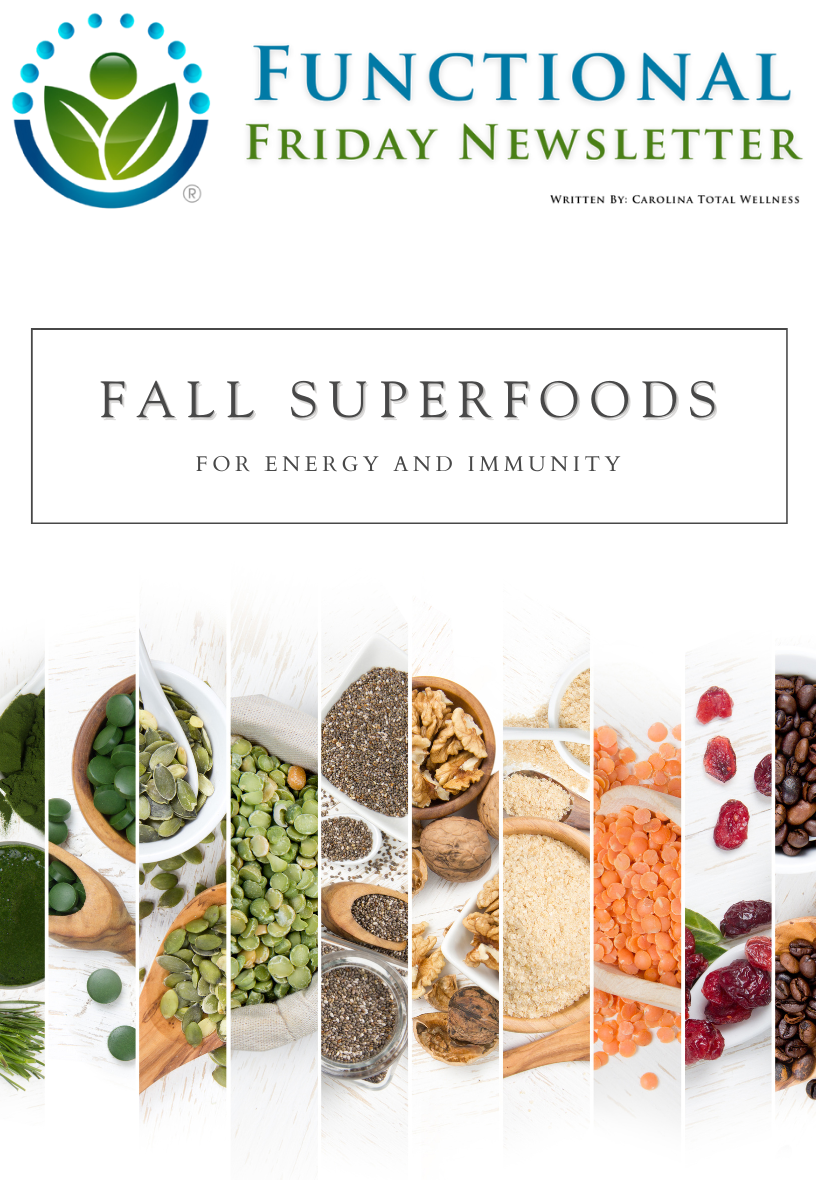
Fall Superfoods for Energy and Immunity

As the weather cools and the leaves start to turn, fall brings a bounty of vibrant, nutrient-rich foods that can do wonders for your body and your mood. Three of my personal favorites—apples, kale, and pomegranates—not only taste amazing this time of year but also offer powerful health benefits that support your immune system, digestion, and energy. Here’s why these seasonal stars deserve a spot on your plate—and a few simple ways to enjoy them.

Few things capture fall like the satisfying crunch of a fresh apple. Beyond their natural sweetness, apples are packed with fiber, vitamin C, and antioxidants—especially in the skin. The soluble fiber (pectin) supports healthy digestion and balanced blood sugar, while the polyphenols help reduce inflammation and support heart health.

One of my favorite ways to enjoy apples is as a mid-afternoon snack with almond butter. The healthy fats and protein from the almond butter slow the release of fructose into your bloodstream, keeping your energy stable and your appetite satisfied. For an extra treat, I’ll sprinkle a little cinnamon on top—an easy way to boost blood sugar balance and add a cozy fall flavor.

Kale is truly one of the most nutrient-dense foods on the planet. It’s loaded with vitamins A, C, and K, as well as calcium, magnesium, and antioxidants like lutein and zeaxanthin that support eye and skin health. Its combination of fiber and phytonutrients also makes it a natural detoxifier, helping your liver process and eliminate toxins more efficiently.

While kale can be polarizing, I’ve found one foolproof way to make it crave-worthy: air-fried kale chips. I take organic shredded kale, lightly coat it with olive oil, sprinkle on sea salt (and maybe garlic or onion powder), and air fry until crisp. The result is a perfectly crunchy, savory addition to any meal that satisfies those salty cravings—without the processed ingredients found in chips. It’s also a fantastic way to sneak in more greens which we could all use more of.

Pomegranates are one of fall’s most beautiful (and beneficial) fruits. Those jewel-toned seeds, or arils, are rich in vitamin C, potassium, and powerful antioxidants, which help reduce inflammation and protect your cells from oxidative stress. Pomegranates support heart health, lower blood pressure, and even enhance exercise recovery.

My favorite way to enjoy pomegranate seeds is at breakfast, sprinkled over a bowl of full-fat yogurt and grain-free granola. The combination of creamy yogurt, crunchy granola, and juicy pomegranate creates a satisfying balance of textures and flavors—plus a nutritional trifecta of protein, healthy fats, and antioxidants to start the day strong.

Fall is a season of grounding and nourishment, and these three foods deliver both in abundance. By keeping your meals colorful, you can nourish your body with what nature intended this season: balance, warmth, and vitality.

Micronutrients and Chronic Illness: Unlocking the Power of Nutrition

Micronutrients, including vitamins and minerals, are essential nutrients required in small quantities but play a vital role in various physiological processes, such as immune function, antioxidant defense, enzyme activity, and gene regulation [1]. Let’s explore the specific micronutrients in foods that have been scientifically proven to benefit patients with hypertension, heart failure, osteoporosis, and cognitive decline.

Research has shown that a combination of Vitamin C and Selenium can help reduce blood pressure and lower the risk of hypertension [2]. Vitamin C, found in citrus fruits, berries, and leafy greens, has antioxidant properties that help to improve blood vessel function and reduce inflammation [3]. Selenium, found in Brazil nuts, fish, and turkey, has been shown to have a synergistic effect with Vitamin C, enhancing its antioxidant properties and reducing the risk of hypertension [2].

Omega-3 fatty acids, found in fatty fish, flaxseeds, and walnuts, have been shown to reduce the risk of heart failure and improve cardiac function [4]. These essential fatty acids have anti-inflammatory properties that help to reduce inflammation and improve blood lipid profiles, ultimately reducing the risk of heart failure [5].

Vitamin D and calcium are essential nutrients for bone health, and deficiencies in these micronutrients can increase the risk of osteoporosis [6]. Vitamin D, found in fatty fish and fortified dairy products, helps to regulate calcium levels and improve bone mineralization [7]. Calcium, found in dairy products, leafy greens, and fortified plant-based milk, is essential for building and maintaining strong bones [8].

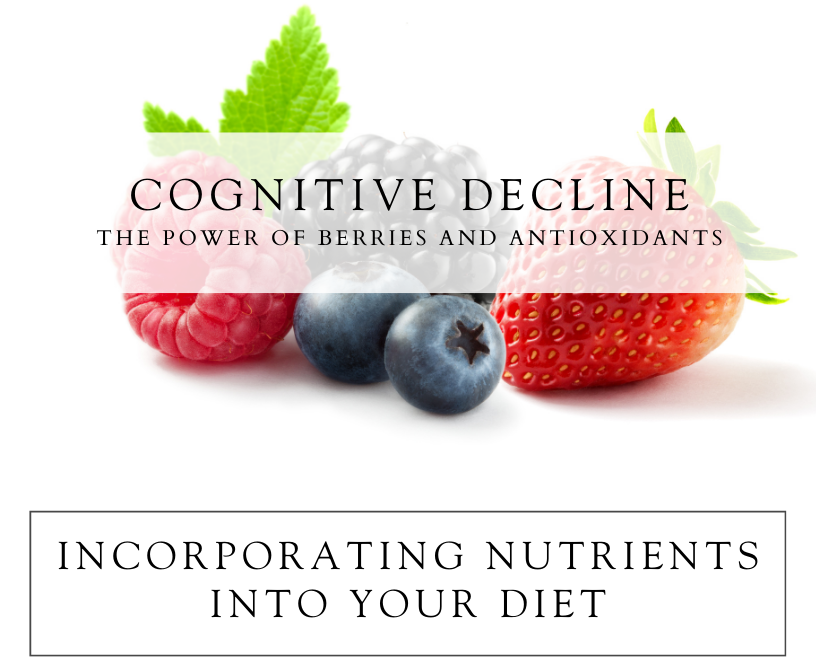
Incorporating these micronutrients into your diet can be simple and delicious. Be sure to read our next newsletter for fun and healthy ways to make these foods an essential part of your diet. Remember to consult your functional medicine physician before making any significant changes to your diet.

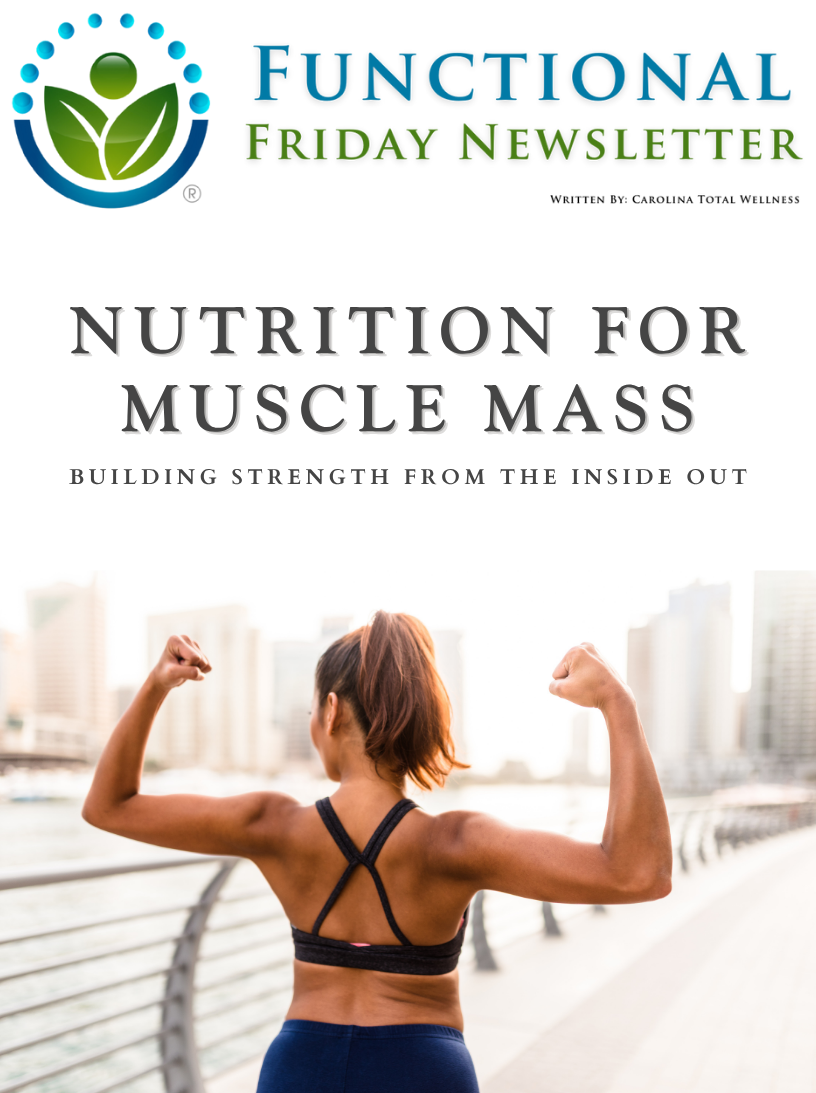
Nutrition for Muscle Mass: Building Strength from the Inside Out

Creatine is a naturally occurring substance found in the body, primarily in muscle tissue. It plays a crucial role in providing energy for high-intensity, short-duration activities such as weightlifting, sprinting, and other explosive exercises. In recent years, creatine has gained popularity as a dietary supplement, particularly among athletes and bodybuilders. This article will discuss the benefits and risks of using creatine as a supplement.

Most adults, especially women, under-eat protein. Aim for 0.4–0.9 grams per pound of ideal body weight daily. A 150-pound adult needs about 60–90 grams per day (20–30 grams per meal). At 200 pounds, that’s 80–150 grams daily or 25–40 grams at 3–4 meals, depending on your goals.

Animal-based proteins are typically more complete and easier to digest. Choose organic, non-GMO, wild-caught fish, pasture-raised poultry, grass-fed beef, and pasture-raised eggs.

Plant-based options like lentils, hemp seeds, and quinoa can form a complete diet when combined thoughtfully. Vegetarians and vegans should eat a variety of plant proteins to meet amino acid needs.

Choose whole foods whenever possible. For protein powders, look for organic or grass-fed sources with minimal ingredients—no added sugar, colorings, gums, or “natural flavors.” Pure Paleo Bone Broth Protein, WheyCool Grass-Fed Protein, and Mikuna Chocho Plant Protein are excellent options.

Muscle synthesis is optimized when protein intake is spread evenly throughout the day—20–35 grams per meal. Start with a protein-rich breakfast to balance blood sugar, cortisol, and energy.

Before workouts, have a small snack with protein, carbs, and healthy fats—like apple slices with nut butter. After strength training, consume 20–30 grams of protein within 20–30 minutes to maximize recovery. Plan ahead so quality protein is available during this window.

Hormones and Aging

With age, hormones like growth hormone, testosterone, and estrogen decline, making muscle harder to maintain—but not impossible. Nutrients such as creatine, magnesium, vitamin D, and omega-3s support hormone sensitivity and muscle health. Resistance training naturally boosts anabolic hormones and signals the body to preserve lean tissue. Pairing consistent strength training with adequate protein amplifies results.

Your Longevity Organ

Think of muscle as your longevity organ. Supporting it means combining strength training, quality protein, restorative sleep, and stress management. Small daily choices compound over time.

Avoiding soy? Sensitive to dairy? Recovering from injury or surgery? Your protein needs will change throughout life. At your next visit, ask your CTW care team about an InBody composition scan to see where you’re starting and create a plan for your goals. Your team is here to help you build strength, resilience, and a foundation for lifelong health.

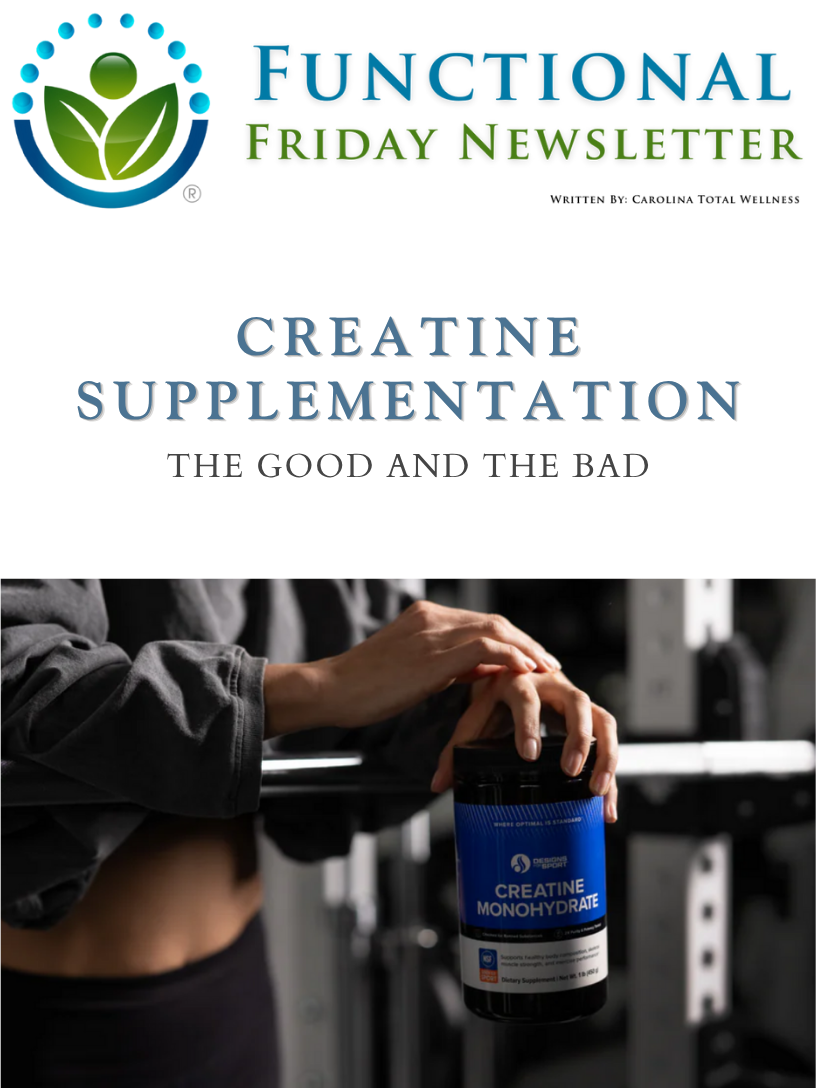
Creatine Supplementation: The Good & The Bad

Creatine is a naturally occurring substance found in the body, primarily in muscle tissue. It plays a crucial role in providing energy for high-intensity, short-duration activities such as weightlifting, sprinting, and other explosive exercises. In recent years, creatine has gained popularity as a dietary supplement, particularly among athletes and bodybuilders. This article will discuss the benefits and risks of using creatine as a supplement.

Numerous studies have demonstrated the effectiveness of creatine supplementation in improving athletic performance. Some of the benefits of creatine supplementation include:

Neuroprotective Effects: Some studies have suggested that creatine supplementation may have neuroprotective effects, potentially reducing the risk of neurodegenerative diseases such as Parkinson’s and Alzheimer’s.

Increased Muscle Strength: Creatine supplementation has been shown to increase muscle strength in both men and women. This is particularly beneficial for athletes involved in strength-based sports such as football, rugby, and weightlifting.

Improved Muscle Endurance: Creatine supplementation can also improve muscle endurance, allowing athletes to perform more reps and sets during their workouts.

Enhanced Power Output: Creatine supplementation has been shown to increase power output, which is essential for athletes involved in explosive sports such as sprinting and jumping.

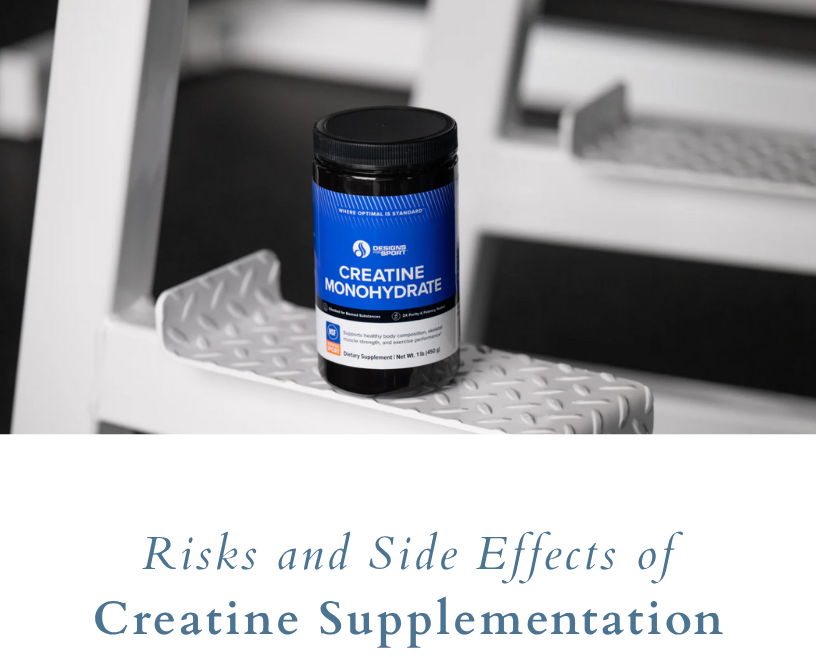
While creatine supplementation is generally considered safe, there are some potential risks and side effects to be aware of:

Interactions with Medications: Creatine supplementation may interact with certain medications, such as blood thinners and diabetes medications.

Gastrointestinal Distress: Some individuals may experience gastrointestinal distress, including diarrhea, stomach cramps, and nausea, when taking creatine supplements.

Weight Gain: Creatine supplementation can cause weight gain due to increased water retention in the muscles.

Kidney Strain: There is some concern that creatine supplementation may put a strain on the kidneys, particularly for individuals with pre-existing kidney problems.

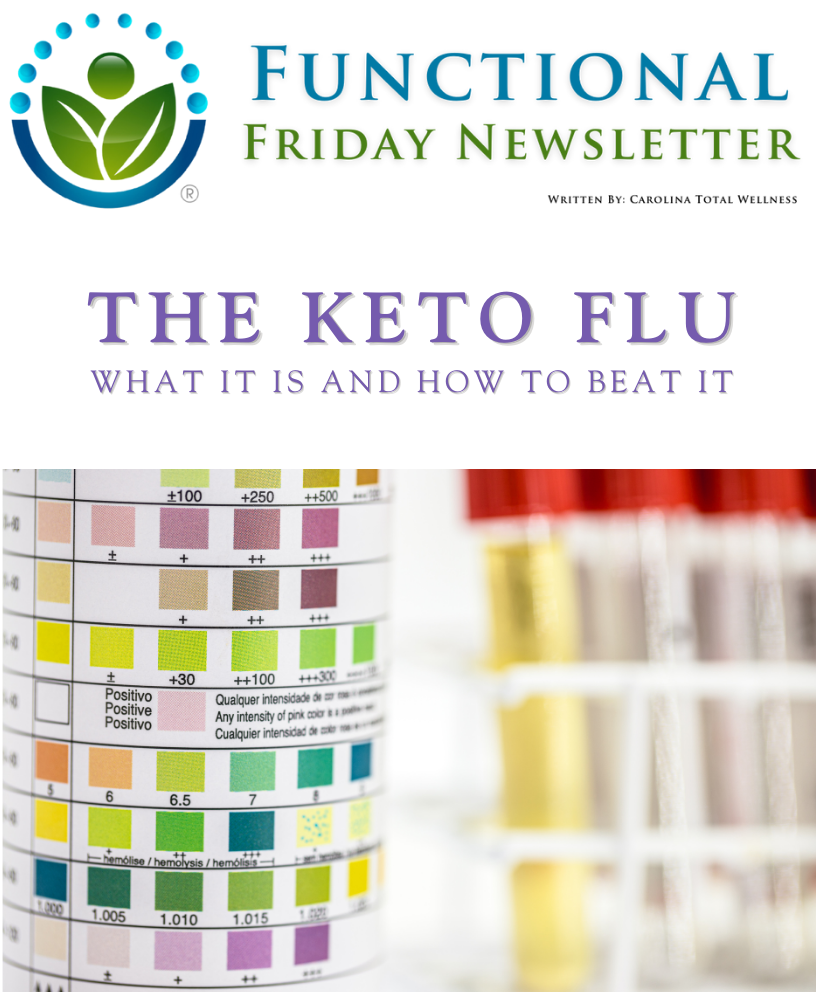
The Keto Flu: What It Is and How to Beat It

If you’ve ever started the ketogenic (keto) diet—or know someone who has—you may have heard about the dreaded “keto flu.” Don’t worry, it’s not an actual virus. The term simply describes temporary side effects that some people experience in the first week or so of starting keto.

Why does it happen?

When you reduce carbs dramatically, your body has to shift from using glucose (sugar) as its main source of energy to using fat and ketones. That transition is called nutritional ketosis, and it can feel a little bumpy at first.

Here’s why:

Adaptation stress: The sudden shift in fuel source can leave you feeling sluggish until your cells adjust.

Carb withdrawal: Your body is used to quick energy from carbs, and it takes a few days to learn how to run on fat instead.

Water and electrolyte loss: Carbohydrates hold onto water and electrolytes (like sodium, potassium, and magnesium). When carbs are cut, the body flushes out extra fluid, leading to dehydration and mineral loss.

Adaptation stress: The sudden shift in fuel source can leave you feeling sluggish until your cells adjust.

Common symptoms of the keto flu

Everyone is different, but the most common complaints include:

  • Fatigue or low energy
  • Headaches
  • Irritability or “brain fog”
  • Nausea
  • Muscle cramps
  • Trouble sleeping

The good news? These symptoms are temporary. Most people notice improvement within 3–7 days as their bodies adjust to ketosis.ate if you’re sensitive—they can be high in histamine or trigger release.

How to beat the keto flu

You don’t have to suffer through it! Here are some practical ways to ease the transition:

  1. Stay hydrated 💧Aim for at least 8–10 cups of water per day. Remember, you’re losing extra fluid at the beginning, so replenishing is key.
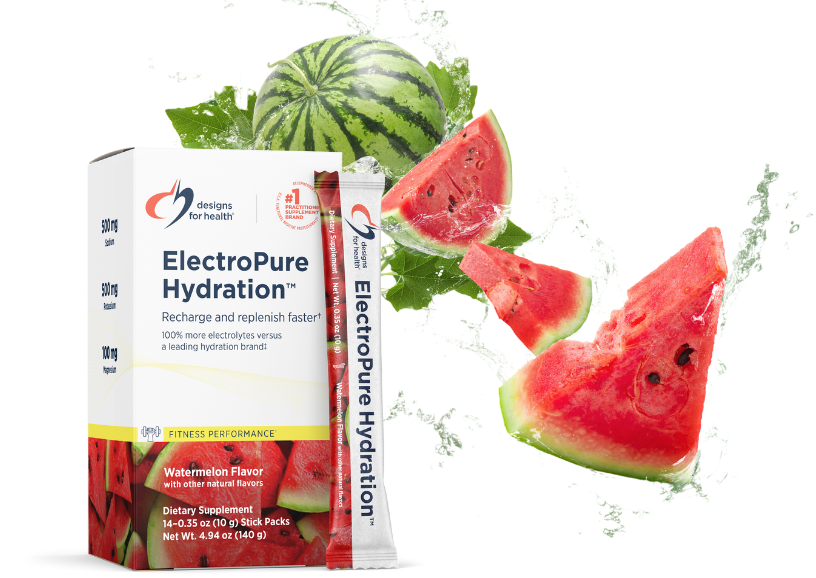
  2. Boost electrolytes ⚡Salt your food a little more than usual, sip on broth, and include potassium- and magnesium-rich foods like leafy greens, avocado, and nuts. Some patients also benefit from an electrolyte supplement such as ElectroPure Hydration by Designs for Health.
  3. Ease into keto gradually 🍳Instead of slashing carbs overnight, try lowering them step by step over a week or two. This gives your metabolism more time to adjust.
  4. Eat enough fat and protein 🥑Don’t skimp on calories. Healthy fats (avocado, olive oil, salmon, nuts) and adequate protein help stabilize energy and keep you full.
  5. Prioritize sleep and rest 😴Fatigue can worsen symptoms. Try to get 7–9 hours of quality sleep and listen to your body during the transition.

Functional Flips for a Healthier Summer Cookout

Summer cookouts are a time for connection, sunshine, and great food—but they’re often filled with processed meats, sugary desserts, and disposable, well, everything. Traditional menus can leave us feeling bloated, fatigued, or inflamed. This season, choose nourishing, sustainable swaps that taste amazing and help you feel even better. 

SWAP #1: Kabobs Instead of Burgers or Hot Dogs 

Skip the heavy burger buns and enjoy colorful protein-packed skewers that are naturally gluten-free and customizable. 

Build-your-own kabob ideas: 

Marinade: olive oil + lemon juice + garlic + oregano or rosemary 

Proteins: wild-caught salmon or shrimp, organic chicken, grass-fed steak, marinated tofu or tempeh 

Veggies & Fruit: zucchini, red onion, bell peppers, cherry tomatoes, pineapple, mushrooms 

SWAP #3: Grilled Fruit Instead of Cobbler 

Ditch the sugary, gluten-heavy desserts and grill up nature’s candy for a fiber-rich, antioxidant-packed, naturally sweet treat without the crash. 

Easy grilled fruit ideas: 

Top with coconut whipped cream, chopped toasted nuts, or a sprinkle of cinnamon 

Peaches or nectarines: halved, brushed with coconut oil, grilled 2–3 mins per side 

Pineapple rings or watermelon slices: caramelize for a smoky-sweet flavor 

SWAP #4: Corn-Based or Bamboo Plates Instead of Plastic 

Did you know plastic plates and utensils can leach hormone-disrupting chemicals, especially when exposed to heat and sunlight?  

Here are some better options to support hormone health and reduce landfill waste: 

  • Compostable corn-based or bamboo plates and flatware 
  • Enamel or stainless steel reusable sets 
  • Cloth napkins for a zero-waste, elegant upgrade 

 Takeaways 

Enjoy real food. Celebrate connection. Support your health—naturally. 

Summer cookouts don’t have to derail your health goals. It IS possible to avoid gluten, dairy, and highly processed foods without missing out on celebrations with friends and family.  

Perfection is not the goal. Choose one swap that sounds good to you and let yourself enjoy the rest, if it won’t make you feel terrible afterwards.   

Subtle changes add up over time – and are more likely to be sustainable.  

Fasting Without the Fast: Discover the ProLon 5-Day Reset

You may have heard the buzz around fasting and its powerful health benefits—but let’s face it, the idea of going days without food doesn’t exactly sound appealing or practical for most people. That’s where the ProLon Fasting Mimicking Diet comes in.

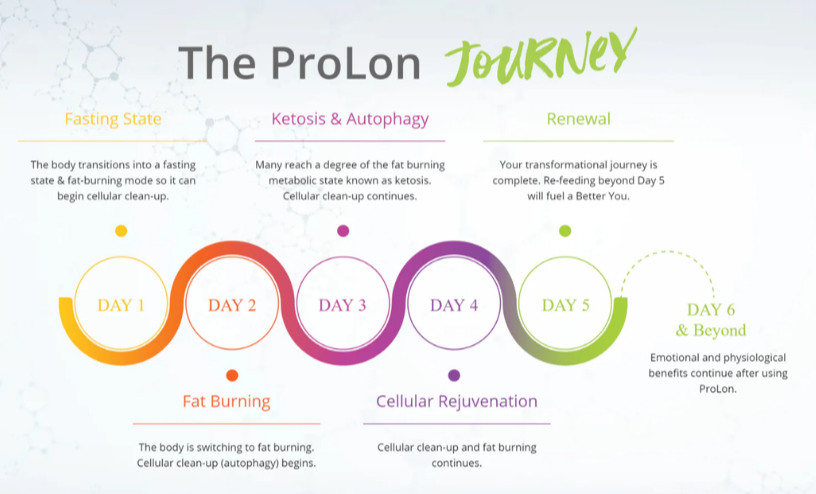
ProLon is a 5-day nutrition program designed to give you the benefits of a traditional fast—such as cellular rejuvenation, fat loss, and reduced inflammation—without actually going completely without food.

Developed by Dr. Valter Longo and backed by research from the USC Longevity Institute, this unique protocol mimics the effects of fasting while allowing you to eat specially formulated, plant-based meals.

WHAT EXACTLY IS A fasting mimicking diet?

Unlike intermittent fasting or water-only fasts, the ProLon diet allows you to consume a specific blend of nutrients that keeps your body in a fasting state while still receiving nourishment. Over five days, your body is gently guided into a fasting response, where it begins to use stored fat for energy and initiates cellular clean-up processes like autophagy—your body’s way of getting rid of old, damaged cells.

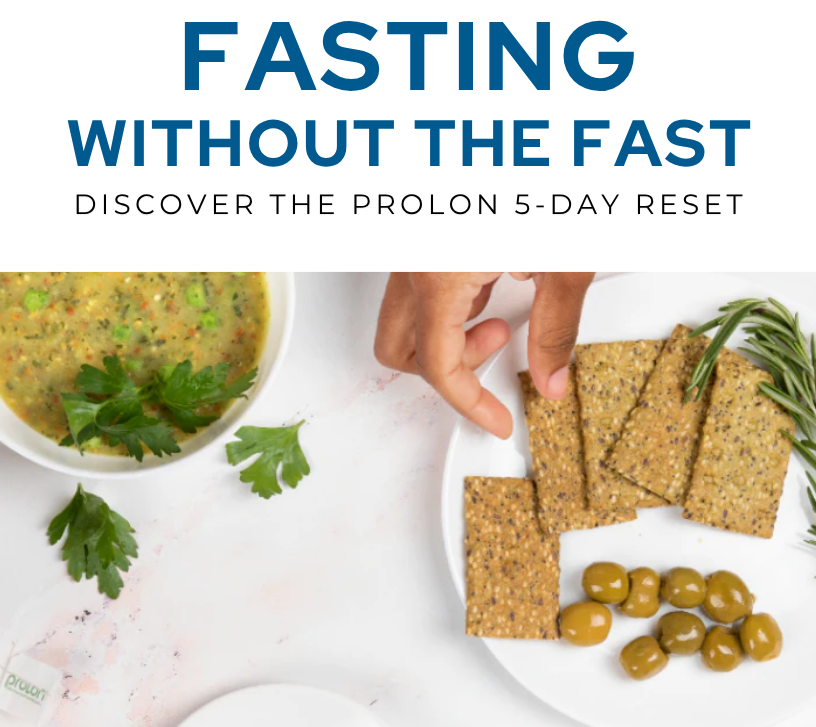
The meals are pre-packaged and provided in a convenient kit, including soups, nut bars, herbal teas, and supplements, with each day’s contents carefully calibrated for maximum benefit. The diet is low in protein and sugar, moderate in complex carbohydrates, and rich in healthy fats—enough to fuel you, but not enough to “wake up” your metabolic sensors that would otherwise break a fast.

WHAT ARE THE BENEFITS?

Clinical studies have shown a variety of potential benefits of the Fasting Mimicking Diet, including:

  • Weight loss, particularly abdominal fat
  • Improved metabolic markers, including blood glucose, cholesterol, and triglycerides
  • Reduced inflammation
  • Support for healthy aging and longevity
  • Enhanced cellular regeneration

Some patients also report feeling more mentally clear and energized following the program, along with improved sleep and digestion.

HOW DO YOU FOLLOW THE Prolon diet?

The ProLon program is incredibly easy to follow—everything you need for five days is included in the box:

  • Day 1: About 1,100 calories to ease your body into fasting mode
  • Days 2–5: Approximately 750–800 calories per day to maintain the fasting state

Each meal is clearly labeled by day and time (breakfast, lunch, dinner), and the kit includes herbal teas and an energy drink to support hydration and energy levels.

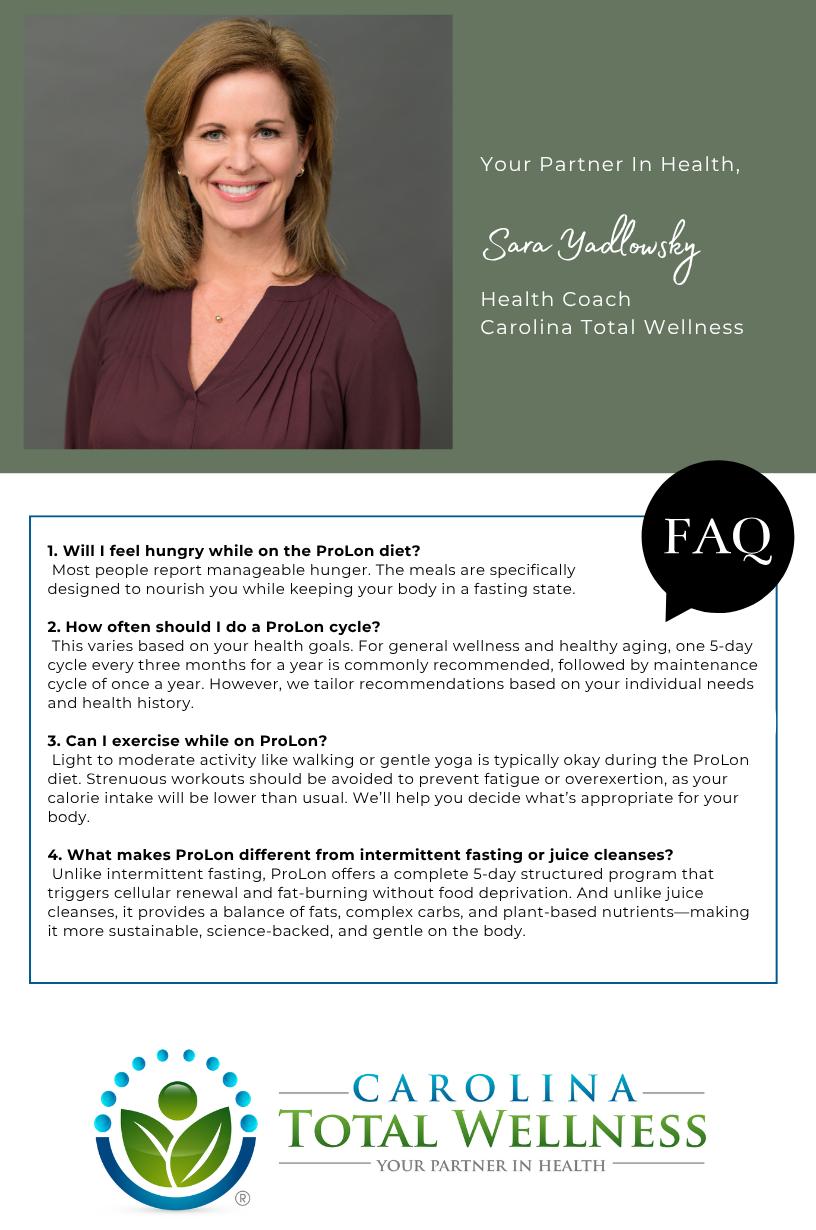
Many people choose to complete the ProLon FMD one 5-day cycle every three months for a year, followed by maintenance cycle of once a year. However, we tailor recommendations based on your individual needs and health history. Always check with a healthcare provider to see what’s appropriate for your health status and goals.

is it right for you?

The ProLon Fasting Mimicking Diet is not for everyone—pregnant or breastfeeding women, individuals with certain medical conditions, or those on specific medications should not use it without medical supervision.

If you’re interested in trying ProLon or learning whether this kind of fasting could be a helpful tool in your health journey, we’re here to help. We are currently carrying Prolon in the practice. Schedule a consultation to talk with our team and determine the best approach for your body’s unique needs.

Plate to Prevention: Your Guide to Cancer-Fighting Foods

Plate to Prevention

Your Guide to Cancer-Fighting Foods

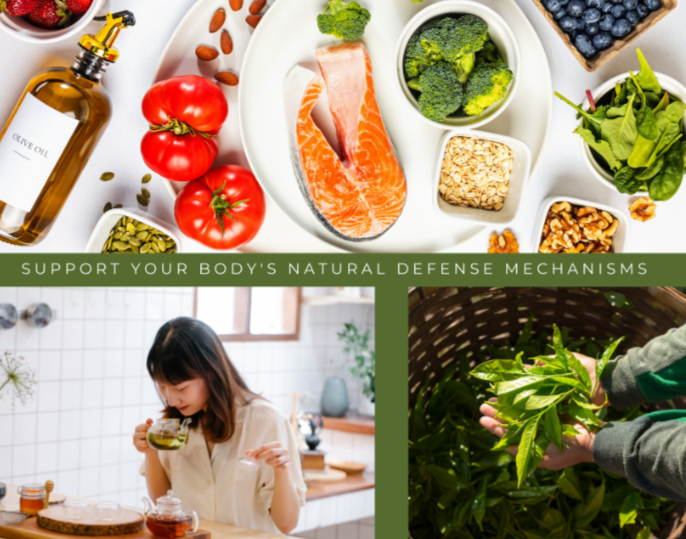
Eating certain foods can play a vital role in reducing the risk of cancer by supporting your body’s natural defense mechanisms. Many foods contain powerful nutrients, antioxidants, and bioactive compounds that help fight inflammation, repair damaged cells, and enhance detoxification processes. A diet rich in these cancer-fighting foods can help protect your cells from oxidative stress, boost your immune system, and promote overall health. By choosing nutrient-dense foods that support your body’s natural healing and protective functions, you empower yourself to prevent cancer and other chronic diseases.

These cancer-fighting foods include:

First and foremost, let’s talk about cruciferous vegetables. These nutritional powerhouses include broccoli, cauliflower, Brussels sprouts, kale, and cabbage. They are rich in antioxidants, vitamins (like vitamin C and K), and minerals, but what makes them particularly beneficial is their sulfur-containing compounds, such as sulforaphane. Studies suggest that sulforaphane may help prevent cancer by enhancing the body’s detoxification enzymes and reducing inflammation.

Berries—such as blueberries, strawberries, raspberries, and blackberries—are not only delicious but also packed with antioxidants like anthocyanins and flavonoids. These compounds have been shown to protect cells from damage that can lead to cancer. Including a variety of berries in your diet provides a flavorful way to boost your antioxidant intake and support your body’s defense against oxidative stress.

Whole grains like brown rice, quinoa and oats are excellent sources of fiber, vitamins, and minerals. Fiber is known for its role in promoting digestive health, but it also plays a significant role in reducing the risk of certain cancers, such as colorectal cancer.

Fatty fish such as salmon, trout, mackerel, and sardines are rich in omega-3 fatty acids, which are essential for heart health and have potent anti-inflammatory properties. Chronic inflammation is linked to an increased risk of cancer, making omega-3 fatty acids a valuable addition to your diet. Aim to incorporate fatty fish into your meals at least twice a week to reap their health benefits.

Green tea is renowned for its high concentration of polyphenols, particularly catechins, which have powerful antioxidant properties. Studies suggest that catechins may help prevent cell damage that can lead to cancer. Enjoying a cup or two of green tea daily supports your body’s natural defense mechanisms against oxidative stress.

Garlic and onions, members of the allium vegetable family, are known for their distinct flavors and potent health benefits. They contain sulfur compounds, flavonoids, and other bioactive substances that have been studied for their potential anticancer effects. Including garlic and onions in your cooking not only enhances the taste of your meals but also contributes to your overall health and cancer prevention efforts.

In conclusion, your dietary choices play a significant role in reducing your risk of cancer. By incorporating cruciferous vegetables, berries, whole grains, fatty fish, green tea, garlic, and onions into your meals regularly, you can harness the power of nutrition to support your health goals. Remember, small changes in your diet can yield significant benefits over time.
Your Partner In Health,

Sara Yadlowsky

Health Coach Carolina Total Wellness

Functional Medicine

Functional medicine is a science-based health care approach to assess, prevent and treat complex chronic disease.
Answers to frequently asked questions provided by Carolina Total WellnessLearn More

Allergy Testing & Drops

After a brief allergy test, you can begin sublingual immunotherapy (SLIT), or allergy drops under the tongue. No more allergy shots!

learn more about Allergy testing and drops provided by [VAR_PRACTICE_NAME]Learn More

About Your Visit

Learn how to prepare for your visit and what to expect at your initial consultation and at your follow-up visits with our office.

What to expect at your appointment with Carolina Total WellnessLearn More

facebook icon twitter icon instagram icon