




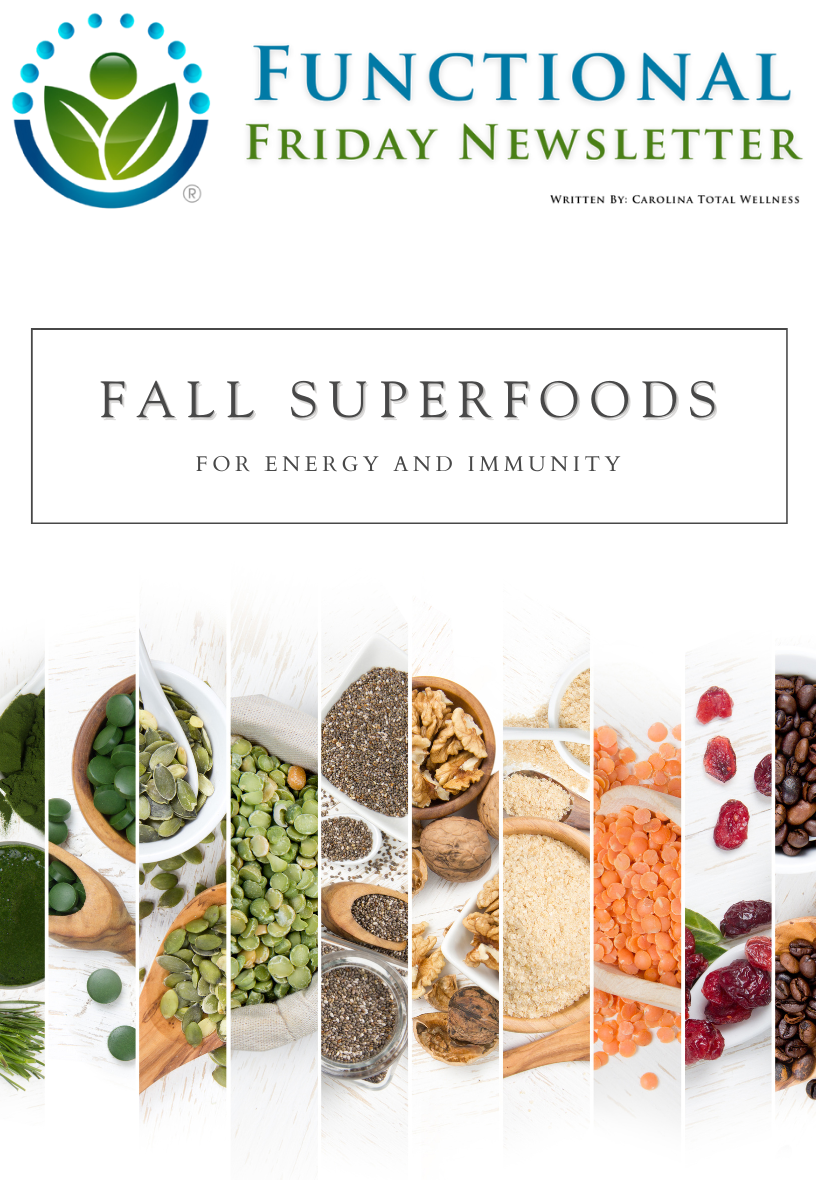
As the weather cools and the leaves start to turn, fall brings a bounty of vibrant, nutrient-rich foods that can do wonders for your body and your mood. Three of my personal favorites—apples, kale, and pomegranates—not only taste amazing this time of year but also offer powerful health benefits that support your immune system, digestion, and energy. Here’s why these seasonal stars deserve a spot on your plate—and a few simple ways to enjoy them.

Few things capture fall like the satisfying crunch of a fresh apple. Beyond their natural sweetness, apples are packed with fiber, vitamin C, and antioxidants—especially in the skin. The soluble fiber (pectin) supports healthy digestion and balanced blood sugar, while the polyphenols help reduce inflammation and support heart health.
One of my favorite ways to enjoy apples is as a mid-afternoon snack with almond butter. The healthy fats and protein from the almond butter slow the release of fructose into your bloodstream, keeping your energy stable and your appetite satisfied. For an extra treat, I’ll sprinkle a little cinnamon on top—an easy way to boost blood sugar balance and add a cozy fall flavor.

Kale is truly one of the most nutrient-dense foods on the planet. It’s loaded with vitamins A, C, and K, as well as calcium, magnesium, and antioxidants like lutein and zeaxanthin that support eye and skin health. Its combination of fiber and phytonutrients also makes it a natural detoxifier, helping your liver process and eliminate toxins more efficiently.
While kale can be polarizing, I’ve found one foolproof way to make it crave-worthy: air-fried kale chips. I take organic shredded kale, lightly coat it with olive oil, sprinkle on sea salt (and maybe garlic or onion powder), and air fry until crisp. The result is a perfectly crunchy, savory addition to any meal that satisfies those salty cravings—without the processed ingredients found in chips. It’s also a fantastic way to sneak in more greens which we could all use more of.

Pomegranates are one of fall’s most beautiful (and beneficial) fruits. Those jewel-toned seeds, or arils, are rich in vitamin C, potassium, and powerful antioxidants, which help reduce inflammation and protect your cells from oxidative stress. Pomegranates support heart health, lower blood pressure, and even enhance exercise recovery.
My favorite way to enjoy pomegranate seeds is at breakfast, sprinkled over a bowl of full-fat yogurt and grain-free granola. The combination of creamy yogurt, crunchy granola, and juicy pomegranate creates a satisfying balance of textures and flavors—plus a nutritional trifecta of protein, healthy fats, and antioxidants to start the day strong.
Fall is a season of grounding and nourishment, and these three foods deliver both in abundance. By keeping your meals colorful, you can nourish your body with what nature intended this season: balance, warmth, and vitality.



 Learn More

