




It is a chemical that is made by your immune system and its main function is to help the body get rid of allergens. When histamine builds up in the body, it has an effect on mostly every system in the body.
Histamine intolerance is a condition characterized by an imbalance between the accumulation of histamine and the body’s ability to degrade. It is broken down by different enzymes and when the enzymes are not present or you may be suffering from an issue that makes it difficult to break down histamine, then histamine levels will build up and create a cascade of symptoms. These symptoms can be non-specific and may resemble those of other conditions, making diagnosis challenging.
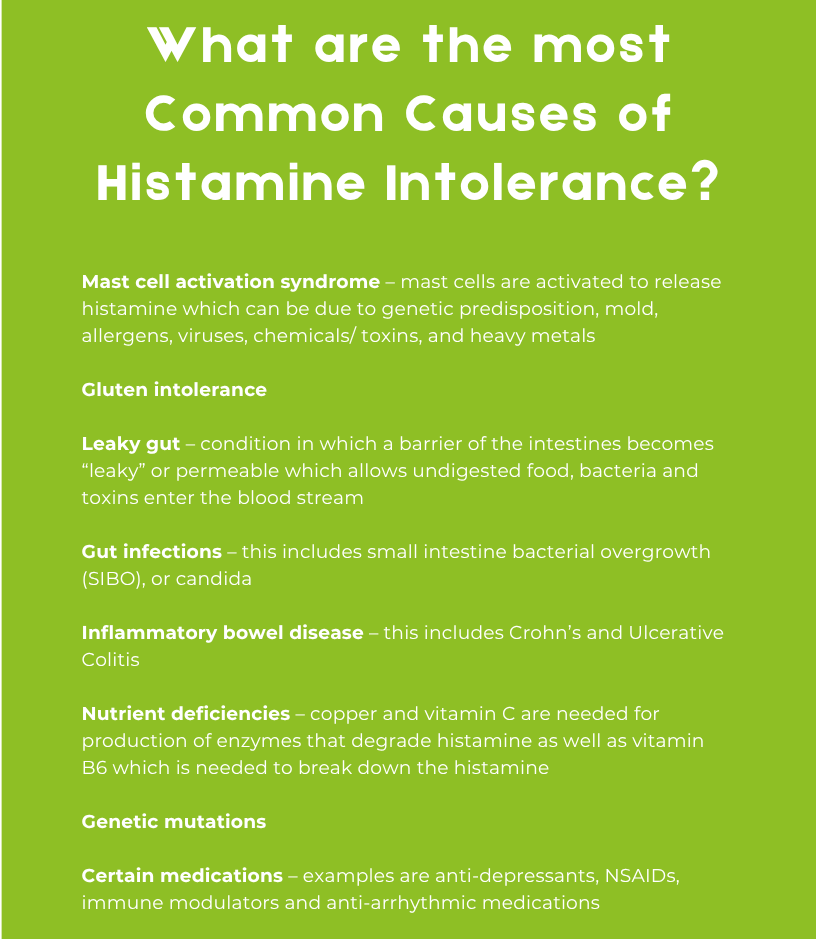
The physicians at Carolina Total Wellness will thoroughly evaluate your history and determine if the symptoms you are experiencing are related to histamine intolerance. Other factors that can contribute to histamine intolerance include genetic predispositions, dietary factors, hormonal imbalances, stress, alcohol consumption and environmental factors. For example, certain foods, such as fermented foods, vinegars, cured meats, citrus fruits, and bananas, can be high in histamine or contain histamine-releasing compounds.
High stress can have a big impact on histamine production as it can cause the immune cells to release more histamine. Lastly, having a hormonal imbalance such as estrogen dominance can lead to excess histamine release and interfere with the enzymes that degrade the histamine worsening the problem.
Lifestyle Recommendations for Histamine Intolerance
Lifestyle modifications can help alleviate symptoms. A low-histamine diet is currently the most advised strategy for preventing symptoms. This diet involves excluding high histamine-containing foods, and opting for fresh, whole foods instead. Additionally, DAO supplementation can help support histamine degradation.
At Carolina Total Wellness, our health coaches are very knowledgeable of Histamine Intolerance and will provide counseling on the foods high in histamine and what it better to eat instead.
Other lifestyle recommendations for managing histamine intolerance include:
- Gut health support- Maintaining a healthy gut microbiome is essential for histamine degradation. Probiotics, such as Lactobacillus rhamnosus, Bifidobacterium infantis, and Lactobacillus plantarum, can help support gut health. It is important to assess for gut dysbiosis or imbalances in the gut microbiome. Be mindful that not all probiotics are useful if someone has high histamine. Certain types of bacteria can produce histamine, whereas some may have the ability to degrade histamine, and some have no direct effect on histamine.
- Stress management – Stress can exacerbate histamine intolerance symptoms. Engaging in stress-reducing activities, such as meditation, yoga, acupuncture, or deep breathing exercises, can help mitigate symptoms. Carolina Total Wellness Health Coaches will provide you with an individualized plan for stress management based on your history.
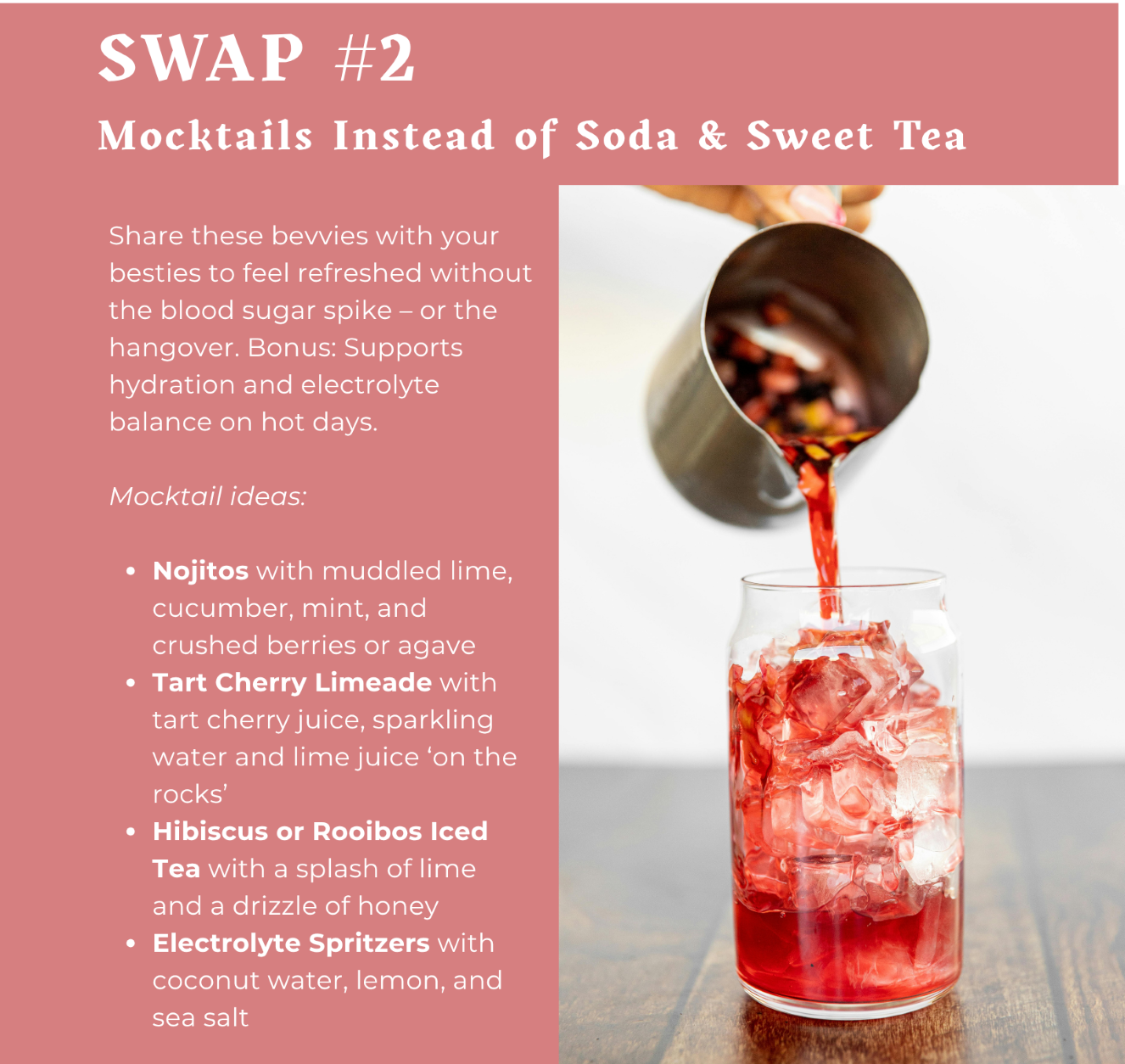
- Avoiding histamine-releasing compounds – Certain compounds, such as alcohol, caffeine, and certain medications, can release histamine and exacerbate symptoms.
Treatment Recommendations for Histamine Intolerance
While lifestyle modifications can help alleviate symptoms, treatment may be necessary for severe cases of histamine intolerance. There are various medications that can help alleviate symptoms.
In conclusion, histamine intolerance is a complex condition that requires a comprehensive approach to management. By understanding the symptoms, causes, and lifestyle recommendations for histamine intolerance, you can take the necessary steps to alleviate symptoms and improve your quality of life. If you suspect you have histamine intolerance, consult with one of your physicians here at Carolina Total Wellness who can evaluate histamine intolerance and recommend the most appropriate treatment plan for you.




 Learn More

