

menu 919-999-0831

Gut Health, Mood, and the Mind

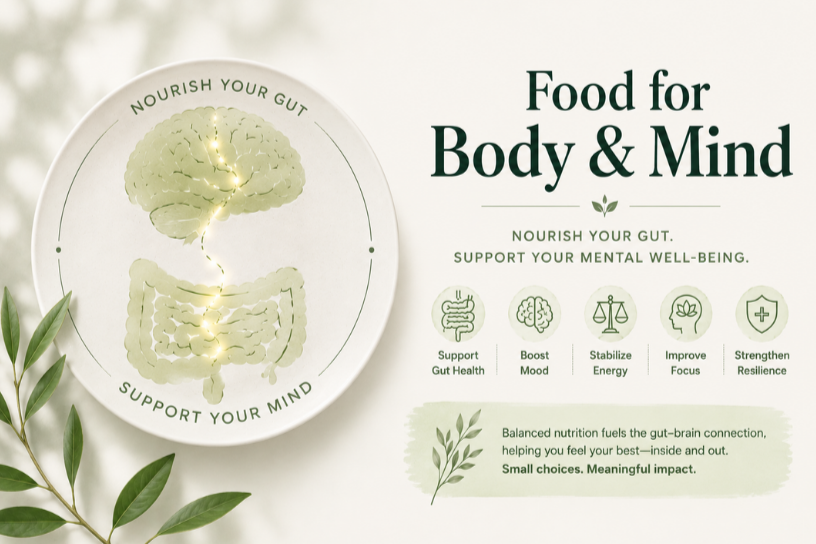
If the gut is the “second brain,” what we eat plays a powerful role in how we think, feel, and function.

The connection between mental and physical health goes both ways—supporting one supports the other. Here are five key nutrition strategies to help optimize both and improve your mental well-being.

1. Eat Probiotic- and Prebiotic-Rich Foods

The gut and brain are deeply connected, and a healthy gut microbiome can help reduce symptoms of depression, anxiety, and other mood disorders. About 95% of serotonin—our “feel-good” neurotransmitter—is produced in the gut.

  • Probiotics (beneficial bacteria): fermented foods like sauerkraut, kimchi, yogurt, miso, and tempeh
  • Prebiotics (fuel for good bacteria): fiber-rich foods like bananas, artichokes, leeks, garlic, asparagus, onions, and legumes

Focusing on a variety of plant foods helps nourish and diversify the gut microbiome.

2. Consume Adequate Protein

Protein supports mental health by stabilizing blood sugar, which helps regulate mood, energy, and stress hormones like cortisol. It also provides key nutrients such as vitamin B12, essential for brain function.

Additionally, protein intake influences neurotransmitters like dopamine and norepinephrine—both important for motivation, focus, and mood.

3. Incorporate Healthy Fats

Healthy fats are essential for brain health. They support brain energy, cell structure, and nutrient absorption (like vitamin D).

  • Sources include: avocado, olive oil, nuts, seeds, eggs, and fatty fish
  • Omega-3 fatty acids (found in salmon, mackerel, anchovies, herring, sardines, walnuts, and chia seeds) are especially important

Omega-3s are anti-inflammatory and have been linked to improved mood and reduced risk of mental health conditions.

4. Limit Processed Foods, Sugar, and Alcohol

Highly processed foods, added sugars, and alcohol can disrupt gut health and are associated with higher rates of depression, anxiety, and cognitive decline.

Reducing these and focusing on whole, minimally processed foods—while cooking more at home—can have a meaningful impact on both mental and physical well-being.

5. Supplement Appropriately

While food should be the foundation, supplements can help fill nutritional gaps and support mental health when needed.

Think of supplements as a supportive “backup,” not a replacement. Equally important is the experience of eating—sharing meals and enjoying food also contributes to emotional well-being.

Eating for mental health is about supporting the gut-brain connection through balanced, nutrient-dense choices. Small, consistent habits—like prioritizing whole foods, protein, healthy fats, and gut health—can create meaningful improvements in mood, energy, and overall well-being.

At Carolina Total Wellness, we’re here to support you in making these changes in a way that feels realistic and personalized. Whether it’s helping you build balanced meals, optimize gut health, or identify targeted nutrients and supplements, our team can guide you step by step so you feel confident and supported in your journey.

Gut Health, Mood, and the Mind

Did you know your gut houses trillions of microbes that communicate constantly with your brain?

This bidirectional highway, the gut-brain axis, influences mood, cognition, and stress responses. When gut dysbiosis—an imbalance in microbial diversity—strikes, it can breach intestinal permeability (aka “leaky gut”), allowing toxins and bacteria to leak into the bloodstream.

This triggers systemic inflammation, alters neurotransmitter production, and disrupts the blood-brain barrier, fueling mental health issues. Emerging research links this to anxiety, depression, and even schizophrenia, where dysbiosis correlates with reduced short-chain fatty acids (SCFAs) like butyrate, which normally calm neural inflammation.

Patients often report a cascade of interconnected signs, blending gut woes with brain fog. Common complaints include:

  • GI Distress: Bloating, irregular bowels, and food sensitivities, as dysbiosis ferments undigested carbs, increasing gas and permeability.
  • Mental Health Shifts: Anxiety, irritability, low mood, and brain fog; up to 20% of adults face these, worsened by chronic stress activating the HPA axis via leaky gut.
  • Neurological Effects: Fatigue, sleep disturbances, and cognitive haze, mimicking depression or ADHD. In severe cases, like bipolar or schizophrenia, microbial shifts amplify hallucinations or emotional dysregulation.
  • Systemic Overlap: Joint pain or skin issues from inflammation, highlighting the microbiota-gut-immune-brain axis.

These symptoms vary by individual factors like diet and stress, with evidence from various studies showing dysbiosis in 70% of mood disorder cases.

Diagnosis starts with our providers at CTW who will work with you on thorough history taking and determination of the appropriate testing. The tests that may be necessary are:

  • Stool Analysis: Assesses microbial diversity, gut inflammation, digestion and more.
  • Zonulin: Measures intestinal permeability; elevated zonulin indicates leaky gut.
  • Blood Markers: Check for endotoxemia (LPS levels), inflammation (CRP) and micronutrient deficiencies

Breath Tests: For SIBO, a dysbiosis driver increasing permeability.

Rebalancing requires holistic tweaks. Prioritize a Mediterranean-style diet: high-fiber veggies, fermented foods (yogurt, kimchi), and omega-3s to boost short chain fatty acid production and seal the gut. Aim for 25–30g fiber daily; avoid processed sugars that feed pathogens. Exercise (30 min moderate, 5x/week) and stress reduction (mindfulness, 10 min/day) enhance vagus nerve tone, reducing permeability. Sleep 7–9 hours to stabilize microbiota rhythms.

These supplements can help with restoring balance in the gut:

1.Probiotics (e.g., Lactobacillus/Bifidobacterium multi-strain) such are complete probiotics CTW – Restores diversity, lowers inflammation; reduces anxiety

2.Prebiotics such as fiber Prebiotic CTW– feeds beneficial bacteria and supports intestinal lining.

3.L – glutamine – Repairs gut lining, reduces permeability.

4.Omega – 3 – Anti- inflammatory, boosting brain resilience.

5 Functional Ways to Prevent SIBO (or keep it from coming back)

If you’ve dealt with SIBO before, you know it’s not just about killing bacteria — it’s about avoiding the conditions that allowed overgrowth in the first place. In functional medicine, we focus on strengthening your gut’s natural defenses so bacteria don’t have the opportunity to overgrow again.

1. Support your Nervous System Daily

Chronic stress slows digestion, reduces stomach acid, and impairs motility — all risk factors for SIBO recurrence.

Simple practices like 5 minutes of slow breathing before meals, walking after dinner, prioritizing sleep, and limiting late-night screen time can dramatically improve gut movement and resilience.

2. Protect Stomach Acid and Digestive Function

Stomach acid helps sterilize food and trigger proper downstream digestion. Long-term acid suppression, chronic stress, and aging can lower acid production.

If you’re on acid-reducing medications, work with your functional medicine provider to reassess need.

To support your body’s natural acid and enzyme production at mealtime sit at a table, avoid electronic devices, eat slowly and chew thoroughly.

3. Keep Things Moving

Regular bowel movements are protective. Constipation increases the risk of bacterial overgrowth.

Hydration, adequate magnesium (if needed), daily movement, and fiber from tolerated vegetables all support healthy motility.

4. Space your Meals (stop grazing)

You don’t need to fear food — but high sugar intake and constant refined carbs can worsen fermentation (a.k.a. uncomfortable gas.)

Focus on protein, healthy fats, and non-starchy vegetables as your foundation.

THE BOTTOM LINE

SIBO prevention isn’t about restriction — it’s about rhythm. When you restore meal timing, nervous system balance, stomach acid, and motility, your gut becomes far less hospitable to overgrowth.

If you’ve treated SIBO but symptoms keep returning, it may be time to shift from “eradication” to restoration. Make an appointment with your CTW care team for a plan tailored to your unique needs.

The IBS-SIBO Link: What your Gut is Telling You

April is recognized as Irritable Bowel Syndrome (IBS) Awareness Month. If you have been dealing with ongoing abdominal pain, bloating, and irregular bowel movements, you are not alone. IBS affects millions worldwide and can significantly disrupt daily life, often without clear structural abnormalities in the gut.

In functional medicine, IBS is not viewed as an isolated condition but as a signal of deeper systemic imbalance. One commonly overlooked contributor is Small Intestinal Bacterial Overgrowth (SIBO), a condition in which excessive bacteria accumulate in the small intestine. This overgrowth leads to fermentation, gas production, inflammation, and symptoms that closely mirror IBS.

Functional medicine uses a systems-based framework to understand how symptoms connect across the body. In IBS and SIBO, this begins with assimilation, or how the body digests and absorbs nutrients. Bacterial overgrowth can ferment undigested food, leading to bloating and nutrient deficiencies, often contributing to fatigue.

Defense and repair are also impacted. Chronic exposure to bacterial byproducts can weaken the gut lining and impair immune function. This inflammation can disrupt energy production at the cellular level, increasing overall fatigue.

Communication refers to the gut-brain axis. Stress can heighten pain sensitivity and alter gut function. Transport, or gut motility, plays a critical role as well. Slower movement allows bacteria to accumulate. Biotransformation and elimination may also be impaired, leading to poor detoxification and recirculation of toxins that worsen symptoms.

A personalized lens is essential. Antecedents such as early antibiotic use or family history may predispose individuals. Triggers like infections, dietary changes, or stress can initiate symptoms. Mediators, including chronic stress or poor dietary patterns, perpetuate the cycle.

Lifestyle factors significantly influence gut health. Poor sleep, limited movement, imbalanced nutrition, and ongoing stress all contribute to dysfunction. Addressing even one of these areas can create meaningful improvement across multiple systems.

At its core, IBS often reflects disruption within the gut microbiome. SIBO may develop due to reduced stomach acid, impaired motility, prior infections, or certain medications. These factors create an environment where bacteria can overgrow.

Triggers such as processed foods, antibiotics, or acute stress can initiate imbalance. Over time, mediators like chronic stress and inconsistent eating patterns sustain it, forming a feedback loop.

This dysfunction extends beyond digestion. The gut communicates directly with the brain via the vagus nerve, influencing mood and pain perception. It also interacts with the immune system, contributing to systemic inflammation, fatigue, and even skin concerns.

Functional medicine considers SIBO a potential upstream driver in many IBS cases, particularly in constipation- or diarrhea-predominant types. However, proper testing is essential to confirm diagnosis and guide treatment.

By addressing IBS and SIBO through this interconnected approach, the goal is not simply symptom relief, but restoration of balance and long-term gut health. Working with a Carolina Total Wellness physician can help tailor this process to your individual needs.

Colorectal Health: Simple Steps to Lower your Cancer Risk

Your colon plays a huge role in elimination, immune function, detoxification, inflammation control, and nutrient absorption—and keeping it healthy is one of the most powerful things you can do to support long-term wellness and reduce your risk of colorectal cancer.

The good news? Colon health isn’t complicated. It comes down to a few daily habits that add up over time.

One of the most overlooked parts of colorectal health is bowel transit time—how long waste sits in the body. Ideally, you want to be having at least one easy, complete bowel movement per day (for some people, 1–2 daily is normal).

If you’re often constipated, straining, or going days without a bowel movement, your body may be struggling with inflammation, dehydration, low fiber intake, or poor gut motility.

Try this:

  • Start your day with water (aim for 16–20 oz before coffee)
  • Add fiber-rich foods gradually (see below)

Walk daily—movement supports motility

Your colon is home to trillions of gut microbes, and they LOVE fiber. When your gut bacteria break down fiber, they create compounds that help protect the lining of the colon and support healthy cell growth.

Most people drastically under-eat fiber. A great goal is 25–35g per day, depending on your body and needs.

Easy fiber boosters:

  • Chia seeds or ground flax in smoothies
  • Lentils or beans
  • Raspberries, pears, apples, avocado

Broccoli, Brussels sprouts, artichokes

Chronic inflammation is one of the biggest drivers behind most modern health issues—including colon concerns.

Focus on:

  • Colorful vegetables daily (especially leafy greens)
  • Omega-3 fats (salmon, sardines, chia, flax)
  • Olive oil, avocado, nuts and seeds
  • Herbs/spices like turmeric, ginger, garlic

And limit:

  • Excess alcohol
  • Processed meats (bacon, sausage, deli meats)

Ultra-processed foods and refined seed oils

Lifestyle matters, but screening saves lives. Colorectal cancer is one of the most preventable cancers when caught early. If you’re eligible for screening (or have family history), talk with your provider about your best option.

The Alarming Rise of Colon Cancer in Young Adults

Colon cancer, also known as colorectal cancer (CRC), is an increasing health concern for people under age 50.

According to recent data, approximately 153,020 new cases are diagnosed in the United States annually, making it the third most common cancer, and it claims about 52,550 lives each year. While overall incidence has declined in older adults, rates are rising sharply among younger people. In 2023, nearly 20% of cases occurred in those under 55, up from 11% in 1995, with a 1-2% annual increase since the mid-1990s.

Alarmingly, CRC is projected to become the leading cause of cancer death in adults aged 20-49 by 2030.

Theories for this rise in early-onset CRC (under age 50) point to a mix of lifestyle and environmental factors. Key lifestyle contributors include sedentary lifestyles, heavy alcohol use, and diets high in processed foods and sugars, and low in dietary fiber. Environmental factors include antibiotics, microplastics, food additives (like artificial sweeteners and emulsifiers) and synthetic food dyes.

These environmental and dietary factors can disrupt the gut bacteria or microbiota and lead to gut dysbiosis. Gut dysbiosis is a disruption in healthy gut microbial balance, promoting CRC through inflammation, impaired barrier function, and altered nutrient processing and mucosal integrity.

Healthy microbiota produces short-chain fatty acids (SCFAs) like butyrate for anti-inflammatory effects. High-fiber, polyphenol-rich diets foster beneficial bacteria like Bifidobacterium and Lactobacillus, which suppress procarcinogenic species and lower inflammation. Pro-carcinogenic bacteria like Fusobacterium nucleatum can lead to chronic low-grade inflammation and DNA damage. Chronic inflammation and DNA damage can then result in cancer formation.

Screening is crucial for early detection, when cure rates exceed 90%. The gold standard is colonoscopy, recommended starting at age 45 for average-risk adults, which visualizes the colon and can remove precancerous polyps. Non-invasive options include Cologuard, a stool-based DNA test detecting altered DNA and blood, with 93.9% sensitivity for detecting colon cancer. Cologuard testing should be done annually while colonoscopy can be done every 3 to 10 years depending on risk and initial findings.

Emerging cell-free DNA (cfDNA) blood tests, are an option for those wishing to avoid colonoscopy or stool sampling. These tests currently offer 83.1% sensitivity for colon cancer detection and should also be done annually.

While early detection of colorectal cancer is vital, the functional medicine approach focuses on prevention.

Comprehensive testing can evaluate the health of your microbiota as well as exposure to certain harmful dietary and environmental factors. If you are interested in testing, please speak with your functional health provider.

Stay tuned for our next newsletter which offers recommendations on how to reduce your risk of developing colorectal cancer.

References

  • Siegel RL, Wagle NS, et al. Colorectal cancer statistics, 2023. CA Cancer J Clin. 2023. doi:10.3322/caac.21772
  • Stoffel EM, Murphy CC. Epidemiology and mechanisms of young-onset colorectal cancer. Gastroenterology. 2020;158(2):341-353. doi:10.1053/j.gastro.2019.07.055
  • Giannakis M, Ng K. A common cancer at an uncommon age. Science. 2023;379(6633):eade7114. doi:10.1126/science.ade7114
  • Imperiale TF, Porter K, et al. Next-generation multitarget stool DNA test for colorectal cancer screening. N Engl J Med. 2024. doi:10.1056/NEJMoa2310336

  • Chung DC, Gray DM, et al. A cell-free DNA blood-based test for colorectal cancer screening. N Engl J Med. 2024. doi:10.1056/NEJMoa2304714

  • Botteri E, Peveri G, et al. Lifestyle changes and colorectal cancer risk. Am J Gastroenterol. 2022;117(4):558-567. doi:10.14309/ajg.0000000000002065

  • Collado MC, Castillo MJ, et al. Diet as a modulator of the tumor microenvironment in colorectal cancer. Int J Mol Sci. 2023;24(8):7317. doi:10.3390/ijms24087317
  • Adigun A, Adebile TM, et al. Causes and prevention of early-onset colorectal cancer. Cureus. 2023;15(6):e45095. doi:10.7759/cureus.45095

Your Guide to Beating the Post-Holiday Blues

The holidays are a whirlwind of joy, gatherings, lights, and feasts. But as decorations come down and the new year begins, many people feel a slump instead of a fresh start. This “holiday hangover” shows up as exhaustion, irritability, or sadness when the festive magic fades and real life speeds back up. It’s common, and you’re not alone. Here’s what it is, why it happens, and how to ease back in.

Think of your body and mind as a battery drained by holiday excitement, late nights, rich foods, and constant activity. When it all stops, you may crash—feeling tired, unmotivated, or overwhelmed by returning routines. It’s not a medical diagnosis but a natural response to shifting from celebration to daily life. Symptoms can last days or weeks.

Holiday schedules disrupt sleep, eating habits, and routines. Staying up late, indulging in sweets and alcohol, and juggling social obligations can leave your body physically depleted. Emotionally, the transition is stark: warm gatherings give way to quieter homes, financial pressure from holiday spending, and the stress of resolutions that can create guilt when you slip up.

For some, unresolved family tensions or loneliness linger after the holidays. Short winter days can amplify low moods, while work and school responsibilities pile up quickly in January.

Physically, you may feel fatigue that coffee doesn’t fix, headaches from disrupted sleep, or lowered immunity. Mentally, irritability, low motivation, trouble focusing, and a sense of emptiness are common. It may resemble mild depression in more intense cases. Relationships can feel strained if you’re withdrawn or short-tempered. The good news: it’s temporary.

Anyone can experience it, but those juggling caregiving, demanding jobs, tight finances, or heavy holiday responsibilities often feel it more. Women may carry additional emotional load from planning and hosting. People with a history of anxiety or mood shifts may notice flare-ups.

Fall Superfoods for Energy and Immunity

As the weather cools and the leaves start to turn, fall brings a bounty of vibrant, nutrient-rich foods that can do wonders for your body and your mood. Three of my personal favorites—apples, kale, and pomegranates—not only taste amazing this time of year but also offer powerful health benefits that support your immune system, digestion, and energy. Here’s why these seasonal stars deserve a spot on your plate—and a few simple ways to enjoy them.

Few things capture fall like the satisfying crunch of a fresh apple. Beyond their natural sweetness, apples are packed with fiber, vitamin C, and antioxidants—especially in the skin. The soluble fiber (pectin) supports healthy digestion and balanced blood sugar, while the polyphenols help reduce inflammation and support heart health.

One of my favorite ways to enjoy apples is as a mid-afternoon snack with almond butter. The healthy fats and protein from the almond butter slow the release of fructose into your bloodstream, keeping your energy stable and your appetite satisfied. For an extra treat, I’ll sprinkle a little cinnamon on top—an easy way to boost blood sugar balance and add a cozy fall flavor.

Kale is truly one of the most nutrient-dense foods on the planet. It’s loaded with vitamins A, C, and K, as well as calcium, magnesium, and antioxidants like lutein and zeaxanthin that support eye and skin health. Its combination of fiber and phytonutrients also makes it a natural detoxifier, helping your liver process and eliminate toxins more efficiently.

While kale can be polarizing, I’ve found one foolproof way to make it crave-worthy: air-fried kale chips. I take organic shredded kale, lightly coat it with olive oil, sprinkle on sea salt (and maybe garlic or onion powder), and air fry until crisp. The result is a perfectly crunchy, savory addition to any meal that satisfies those salty cravings—without the processed ingredients found in chips. It’s also a fantastic way to sneak in more greens which we could all use more of.

Pomegranates are one of fall’s most beautiful (and beneficial) fruits. Those jewel-toned seeds, or arils, are rich in vitamin C, potassium, and powerful antioxidants, which help reduce inflammation and protect your cells from oxidative stress. Pomegranates support heart health, lower blood pressure, and even enhance exercise recovery.

My favorite way to enjoy pomegranate seeds is at breakfast, sprinkled over a bowl of full-fat yogurt and grain-free granola. The combination of creamy yogurt, crunchy granola, and juicy pomegranate creates a satisfying balance of textures and flavors—plus a nutritional trifecta of protein, healthy fats, and antioxidants to start the day strong.

Fall is a season of grounding and nourishment, and these three foods deliver both in abundance. By keeping your meals colorful, you can nourish your body with what nature intended this season: balance, warmth, and vitality.

Micronutrients and Chronic Illness: Unlocking the Power of Nutrition

Micronutrients, including vitamins and minerals, are essential nutrients required in small quantities but play a vital role in various physiological processes, such as immune function, antioxidant defense, enzyme activity, and gene regulation [1]. Let’s explore the specific micronutrients in foods that have been scientifically proven to benefit patients with hypertension, heart failure, osteoporosis, and cognitive decline.

Research has shown that a combination of Vitamin C and Selenium can help reduce blood pressure and lower the risk of hypertension [2]. Vitamin C, found in citrus fruits, berries, and leafy greens, has antioxidant properties that help to improve blood vessel function and reduce inflammation [3]. Selenium, found in Brazil nuts, fish, and turkey, has been shown to have a synergistic effect with Vitamin C, enhancing its antioxidant properties and reducing the risk of hypertension [2].

Omega-3 fatty acids, found in fatty fish, flaxseeds, and walnuts, have been shown to reduce the risk of heart failure and improve cardiac function [4]. These essential fatty acids have anti-inflammatory properties that help to reduce inflammation and improve blood lipid profiles, ultimately reducing the risk of heart failure [5].

Vitamin D and calcium are essential nutrients for bone health, and deficiencies in these micronutrients can increase the risk of osteoporosis [6]. Vitamin D, found in fatty fish and fortified dairy products, helps to regulate calcium levels and improve bone mineralization [7]. Calcium, found in dairy products, leafy greens, and fortified plant-based milk, is essential for building and maintaining strong bones [8].

Incorporating these micronutrients into your diet can be simple and delicious. Be sure to read our next newsletter for fun and healthy ways to make these foods an essential part of your diet. Remember to consult your functional medicine physician before making any significant changes to your diet.

Creatine Supplementation: The Good & The Bad

Creatine is a naturally occurring substance found in the body, primarily in muscle tissue. It plays a crucial role in providing energy for high-intensity, short-duration activities such as weightlifting, sprinting, and other explosive exercises. In recent years, creatine has gained popularity as a dietary supplement, particularly among athletes and bodybuilders. This article will discuss the benefits and risks of using creatine as a supplement.

Numerous studies have demonstrated the effectiveness of creatine supplementation in improving athletic performance. Some of the benefits of creatine supplementation include:

Neuroprotective Effects: Some studies have suggested that creatine supplementation may have neuroprotective effects, potentially reducing the risk of neurodegenerative diseases such as Parkinson’s and Alzheimer’s.

Increased Muscle Strength: Creatine supplementation has been shown to increase muscle strength in both men and women. This is particularly beneficial for athletes involved in strength-based sports such as football, rugby, and weightlifting.

Improved Muscle Endurance: Creatine supplementation can also improve muscle endurance, allowing athletes to perform more reps and sets during their workouts.

Enhanced Power Output: Creatine supplementation has been shown to increase power output, which is essential for athletes involved in explosive sports such as sprinting and jumping.

While creatine supplementation is generally considered safe, there are some potential risks and side effects to be aware of:

Interactions with Medications: Creatine supplementation may interact with certain medications, such as blood thinners and diabetes medications.

Gastrointestinal Distress: Some individuals may experience gastrointestinal distress, including diarrhea, stomach cramps, and nausea, when taking creatine supplements.

Weight Gain: Creatine supplementation can cause weight gain due to increased water retention in the muscles.

Kidney Strain: There is some concern that creatine supplementation may put a strain on the kidneys, particularly for individuals with pre-existing kidney problems.

Functional Medicine

Functional medicine is a science-based health care approach to assess, prevent and treat complex chronic disease.

Answers to frequently asked questions provided by Carolina Total WellnessLearn More

Allergy Testing & Drops

After a brief allergy test, you can begin sublingual immunotherapy (SLIT), or allergy drops under the tongue. No more allergy shots!

learn more about Allergy testing and drops provided by [VAR_PRACTICE_NAME]Learn More

About Your Visit

Learn how to prepare for your visit and what to expect at your initial consultation and at your follow-up visits with our office.

What to expect at your appointment with Carolina Total WellnessLearn More

facebook icon twitter icon instagram icon