

menu 919-999-0831

Low SIgA- Part 1

Shane Hemphill, MD

Say your functional medicine provider ordered a stool test and it showed Low SIgA- what does that mean and how did it develop?

The immune system makes T cells and B cells. The B cells produce secretory IgA (SIgA) which acts as a first line of defense against the entry of foreign substances into the body.  These foreign substances include many things such as undigested proteins from the foods that we eat, bacteria, viruses, parasites, or even molds.  In essence SIgA gives us insight into what is happening at our mucosal surfaces.

The body’s mucosal surfaces – located at the eyes, ears, nose, throat, sinuses, gastrointestinal and genitourinary tracts, and skin are all entry points for potential disease-causing pathogens.

Our body’s way of protecting these entry points is done with the release of SIgA.  B-cells present within the mucosa are activated upon exposure to pathogens and allergens and thus produce SIgA in response.  The SIgA then attaches itself to the invading bacteria, virus or other foreign substance, traps it in the mucosal surface and then neutralizes it.

So what does it mean if your SIgA is low?
If your SIgA is low, this means that you are less able to prevent invaders from getting into your gut mucosal lining. This lining can become inflamed and tight junctions that ordinarily keep toxins and undigested food particles out – break down. This causes havoc as now toxins and undigested substances are able to get access to our blood stream, causing inflammatory and immune reactions that lead to systemic symptoms throughout the body.
Patients with low SIgA levels  generally have increased risk of food sensitivities, irritable bowel syndrome (IBS),  inflammatory bowel disease (IBD), intestinal permeability also known as ‘leaky gut’,  autoimmunity,  and other gastrointestinal infections.

What causes low SIgA levels?
Chronic infections are commonly associated with low SIgA.  Assessing for problematic bugs including H pylori, Candida, Blastocystis Hominis, H. Pylori, Clostridium difficile are essential in this evaluation. Do keep in mind that many of these normally can exist in the bowel at low levels and not cause harm. Some of them only become problematic depending on their level in the body and others do it based on virulence. These can be assessed via a functional stool test. One interesting note is that these ‘infections’ are opportunistic by nature, meaning they also come about when SIgA levels reduce. Therefore it is not uncommon to see development of Candida in SIgA compromised clients.

Medications are another cause of low SIgA. Anti-inflammatories, antibiotics and antidepressants are some examples. Studies have even shown an association between low SIgA and people that suffer from depression.

Stress is another cause of low SIgA through increased cortisol levels. Stress can be in any form, including mental, emotional or even physical. One study has even demonstrated that persistent negative thoughts about ourselves can lower our own SIgA levels. Lowering stress and introducing stress reduction techniques is vital in maintaining this protector.

Finally, poor dietary choices are another contributor to low SIgA. Certain nutrients such as Vitamin D, Vitamin A, Zinc and Glutathione are instrumental in supporting healthy SIgA levels.  A good intake of dietary fiber and phytonutrients can also play a role in supporting a healthy gut microbiome. This can lead to the development of beneficial bacteria that promote healthy levels as well.

Stay tuned for my next article which will discuss how we treat low SIgA.

To schedule a new patient appointment, please call our office at 919-999-0831. 

Your Partner in Health!
Shane Hemphill, MD

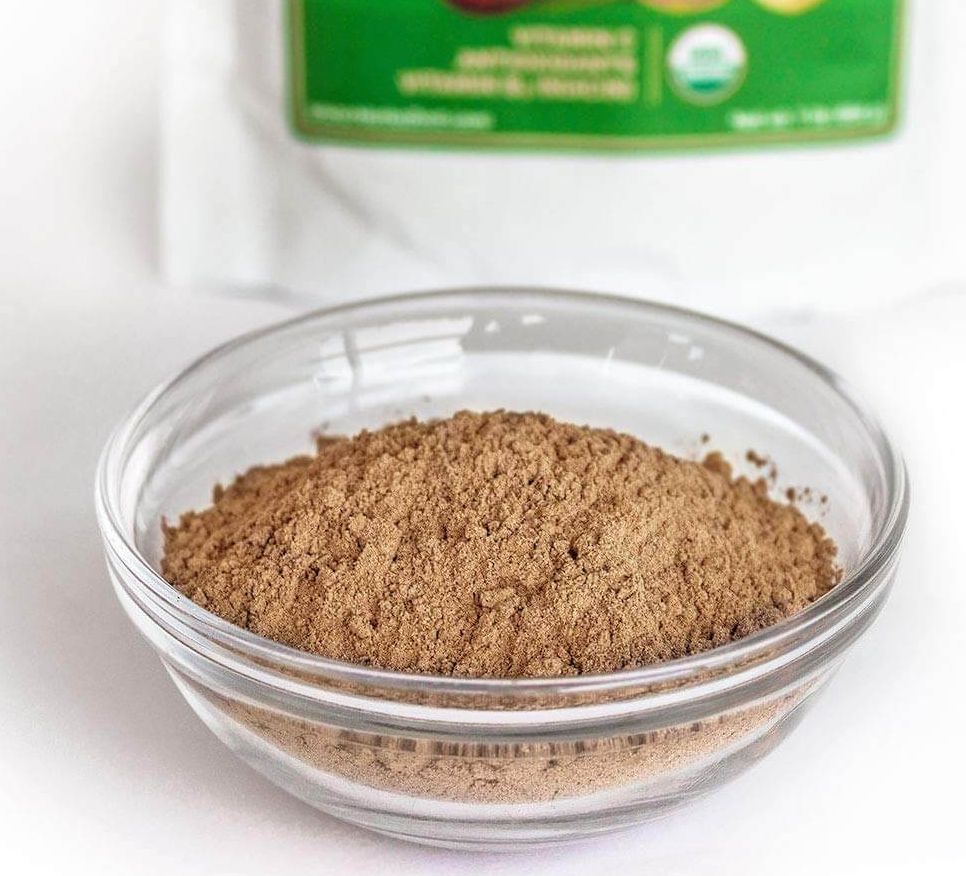
Camu Camu the Superfood

Clarissa A. Kussin, ND, FMCHC, ERYT-500

Lets dive into the powerful benefits of a superfood called Camu Camu. Known for its exceptional nutritional profile, Camu Camu offers a wide range of health benefits. Additionally, we’ve included a delightful smoothie recipe to help you incorporate this fantastic fruit into your daily routine.

Understanding Camu Camu
Camu Camu (Myrciaria dubia) is a small berry native to the Amazon rainforest in Peru and Brazil. It has gained popularity worldwide due to its extraordinarily high vitamin C content, containing up to 60 times more vitamin C per serving than an orange. However, Camu Camu offers more than just vitamin C. It also contains antioxidants, vitamins, minerals, and phytochemicals that support overall well-being.

The Health Benefits of Camu Camu

Immune Support: Camu Camu’s exceptional vitamin C content plays a crucial role in supporting a healthy immune system. Vitamin C is known for its antioxidant properties, which help protect the body against oxidative stress and strengthen immune defenses.

Antioxidant Powerhouse: In addition to vitamin C, Camu Camu contains a range of antioxidants, such as flavonoids and ellagic acid. These compounds combat free radicals, reducing the risk of chronic diseases and promoting overall health.

Collagen Formation: Vitamin C is essential for collagen synthesis, which supports healthy skin, joints, and connective tissues. Regular consumption of Camu Camu can contribute to the maintenance of youthful skin and overall joint health.

Mood Enhancement: Some studies suggest that Camu Camu may have mood-enhancing properties due to its high levels of antioxidants and other beneficial compounds. Including Camu Camu in your diet may help support mental well-being.

Anti-Inflammatory Effects: Camu Camu contains natural anti-inflammatory compounds, including anthocyanins and catechins. These compounds may help reduce inflammation in the body, supporting overall health and reducing the risk of chronic diseases.

Here’s a refreshing smoothie recipe that combines the goodness of Camu Camu with other nutritious ingredients:
Camu Berry Blast Smoothie: 2 servingsIngredients:1 cup frozen mixed berries (strawberries, blueberries, raspberries)1 small frozen banana1 /2 teaspoon Camu Camu powder1 cup unsweetened almond milk (or milk of your choice)1 tablespoon chia seeds1 tablespoon honey, date paste or maple syrup (optional, for added sweetness)A few ice cubes IF your berries are not frozen

Instructions: Place all the ingredients in a blender. Blend on high until smooth and creamy. Taste and adjust sweetness if desired by adding honey or maple syrup. Pour into a glass and enjoy this antioxidant-rich, vitamin C-packed smoothie.
Note: You can customize the smoothie by adding spinach, kale, or your favorite protein powder for an extra nutritional boost.

Where to Find Camu CamuCamu Camu is available in various forms, including powder, capsules, and freeze-dried berries. Look for organic and sustainably sourced Camu Camu products from reputable health food stores, online retailers, or local farmers’ markets.
Consider adding Camu Camu to your daily wellness routine by incorporating it into smoothies, juices, yogurt bowls, or even homemade energy bars. Experiment with different recipes to explore the unique tangy flavor and reap the numerous health benefits.

Your Partner In Health,
Clarissa A. Kussin, ND, FMCHC, ERYT-500

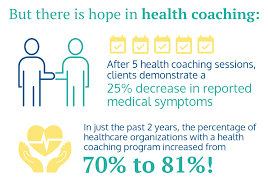
Unlock Your Best Health with a Personal Health Coach!

Clarissa Kussin, ND, FMCHC, ERYT-500

New Year’s is the time when everyone is looking toward the year ahead and all that they want to achieve. While people make resolutions with the best of intentions, few follow through and achieve their goals. This is where health coaching comes in handy.

Health coaches help support clients as they work toward making sustainable lifestyle changes. They are passionate about helping others live happier and healthier lives. This includes helping them stick to New Year’s resolutions. Whether you want to reduce stress, eat better, or move more, health coaches can guide the way.

The Power of Personalized Guidance:

A health coach is your dedicated partner on your wellness journey, offering personalized guidance that goes beyond generic advice. They work with you to create a tailored plan based on your unique needs, preferences, and health goals.

Medical Benefits of Having a Health Coach:

  1. Weight Management: Numerous studies have shown that individuals working with health coaches are more successful in achieving and maintaining a healthy weight. A health coach helps you develop sustainable habits, making weight management more than just a short-term goal.
  2. Chronic Disease Prevention and Management: Health coaches play a crucial role in preventing and managing chronic conditions such as diabetes, hypertension, and heart disease. Their guidance extends beyond conventional medical advice, focusing on lifestyle changes that can have a profound impact.
  3. Stress Reduction and Mental Well-being: Mental health is an integral part of overall well-being. Health coaches help you navigate stressors, offering support and strategies to enhance mental resilience. This holistic approach contributes to improved mental well-being.
  4. Improved Physical Fitness: A health coach can assist in developing personalized guidelines to follow that can help your fitness professional tailor your fitness routine to suit your lifestyle and preferences. Regular physical activity is linked to numerous health benefits, including improved cardiovascular health, increased energy levels, and better mood.
  1. Improved Sleep: Getting quality sleep is crucial for our physical and mental well-being. It affects our mood, concentration, and overall health. From creating a bedtime routine to sticking to a sleep schedule, there are many ways you can improve your quality of sleep. Health coaches may suggest options such as avoiding screens a few hours before bed. Perhaps practicing mindfulness in the evening will quiet a busy mind. Even something as simple as lowering the light in your room at night to trigger your sleep cycle are a small change that can result in a big outcome.

How to Get Started:

If you’re ready to experience the transformative benefits of health coaching, reach out to us today! Our team of experienced health coaches is here to guide you on your journey to optimal health. Call 919.999.0831 to get scheduled.

Remember, investing in your health is an investment in a brighter and more fulfilling future. To your health and happiness!

References:

Wing, R. R., et al. (2018). Intensive lifestyle intervention in type 2 diabetes. New England Journal of Medicine.

Ockene, I. S., et al. (2007). The role of counseling in the promotion of healthy behaviors in adults. JAMA.

Huffman, J. C., et al. (2018). The role of stress and psychosocial interventions in cancer. Current Psychiatry Reports

Warburton, D. E. R., et al. (2006). Health benefits of physical activity: the evidence. Canadian Medical Association Journal

Your Partner In Health,

Clarissa A. Kussin, ND, FMCHC, ERYT-500

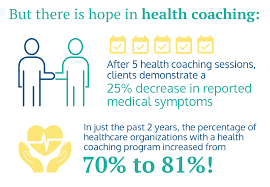
Unlock Your Best Health With A Personal Health Coach!

Clarissa A. Kussin, ND, FMCHC, ERYT-500

New Year’s is the time when everyone is looking toward the year ahead and all that they want to achieve. While people make resolutions with the best of intentions, few follow through and achieve their goals. This is where health coaching comes in handy. 

Health coaches help support clients as they work toward making sustainable lifestyle changes. They are passionate about helping others live happier and healthier lives. This includes helping them stick to New Year’s resolutions. Whether you want to reduce stress, eat better, or move more, health coaches can guide the way. 

The Power of Personalized Guidance:

A health coach is your dedicated partner on your wellness journey, offering personalized guidance that goes beyond generic advice. They work with you to create a tailored plan based on your unique needs, preferences, and health goals.

Medical Benefits of Having a Health Coach:

  1. Weight Management: Numerous studies have shown that individuals working with health coaches are more successful in achieving and maintaining a healthy weight. A health coach helps you develop sustainable habits, making weight management more than just a short-term goal.
  2. Chronic Disease Prevention and Management: Health coaches play a crucial role in preventing and managing chronic conditions such as diabetes, hypertension, and heart disease. Their guidance extends beyond conventional medical advice, focusing on lifestyle changes that can have a profound impact.
  3. Stress Reduction and Mental Well-being: Mental health is an integral part of overall well-being. Health coaches help you navigate stressors, offering support and strategies to enhance mental resilience. This holistic approach contributes to improved mental well-being.
  4. Improved Physical Fitness: A health coach can assist in developing personalized guidelines to follow that can help your fitness professional tailor your fitness routine to suit your lifestyle and preferences. Regular physical activity is linked to numerous health benefits, including improved cardiovascular health, increased energy levels, and better mood.
  1. Improved Sleep: Getting quality sleep is crucial for our physical and mental well-being. It affects our mood, concentration, and overall health. From creating a bedtime routine to sticking to a sleep schedule, there are many ways you can improve your quality of sleep. Health coaches may suggest options such as avoiding screens a few hours before bed. Perhaps practicing mindfulness in the evening will quiet a busy mind. Even something as simple as lowering the light in your room at night to trigger your sleep cycle are a small change that can result in a big outcome. 

How to Get Started:

If you’re ready to experience the transformative benefits of health coaching, reach out to us today! Our team of experienced health coaches is here to guide you on your journey to optimal health. Call 919.999.0831 to get scheduled.

Remember, investing in your health is an investment in a brighter and more fulfilling future.

To your health and happiness!

References:

Wing, R. R., et al. (2018). Intensive lifestyle intervention in type 2 diabetes. New England Journal of Medicine.

Ockene, I. S., et al. (2007). The role of counseling in the promotion of healthy behaviors in adults. JAMA.

Huffman, J. C., et al. (2018). The role of stress and psychosocial interventions in cancer. Current Psychiatry Reports

Warburton, D. E. R., et al. (2006). Health benefits of physical activity: the evidence. Canadian Medical Association Journal

Your Partner In Health,

Clarissa A. Kussin, ND, FMCHC, ERYT-500

Metformin Beyond Diabetes: Exploring Longevity Benefits

Susan D. Denny, MD, MPH

Welcome to this month’s Functional Medicine newsletter, where we delve into the fascinating topic of Metformin, a medication commonly used for diabetes management, and its potential benefits for longevity. While Metformin has long been recognized as an effective treatment for diabetes, recent research suggests that it may have broader implications for promoting overall health and extending lifespan. Join us as we explore the scientific evidence and discuss the exciting possibilities surrounding Metformin’s role in longevity.

Metformin and Diabetes Management

Metformin is a medication primarily used to manage type 2 diabetes. It works by reducing glucose production in the liver and increasing insulin sensitivity, leading to improved blood sugar control. However, emerging studies indicate that Metformin’s benefits extend far beyond diabetes management alone.

Metformin and Longevity Research

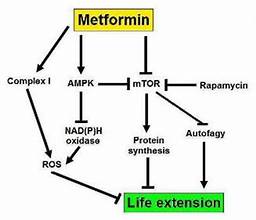
  1. Metformin and Aging Markers: Numerous studies have explored the effects of Metformin on various markers of aging, including cellular senescence, inflammation, and oxidative stress. Research suggests that Metformin may have anti-aging properties by modulating these processes and promoting healthier cellular function.
  2. Metformin and Lifespan Extension: Animal studies have demonstrated promising results regarding Metformin’s potential to extend lifespan. Researchers have observed increased lifespan in various organisms, including worms, flies, and mice, when treated with Metformin. While human studies are still ongoing, these findings offer intriguing insights into the possibility of Metformin as an anti-aging intervention.
  3. Metformin and Age-Related Diseases: Metformin’s potential to mitigate age-related diseases, such as cardiovascular disease, cancer, and neurodegenerative disorders, has been a subject of interest. Research suggests that Metformin may exert protective effects on these conditions by influencing key pathways involved in aging and disease development.
  1. References and Further Reading:
    1. Barzilai, N., et al. (2016). Metformin as a Tool to Target Aging. Cell Metabolism, 23(6), 1060-1065.
    2. Martens, C. R., et al. (2018). Metformin as a Tool to Target Aging. Cell Metabolism, 27(4), 758-775.
    3. Hsu, C. C., et al. (2018). Metformin Use and Risk of Cancer in Patients with Type 2 Diabetes: A Nationwide Cohort Study. The Oncologist, 23(7), 859-865.
    4. Foretz, M., et al. (2014). Metformin: From Mechanisms of Action to Therapies. Cell Metabolism, 20(6), 953-966.

We encourage you to explore these references to gain a deeper understanding of the research surrounding Metformin’s potential benefits for longevity and age-related diseases.

Consulting a Healthcare Professional

It is important to note that while Metformin shows promise in longevity research, its use beyond diabetes management is still being investigated. Before considering Metformin or any other interventions for longevity purposes, it is crucial to consult with a healthcare professional who can assess your individual circumstances and provide guidance based on the latest scientific evidence.

Remember, longevity is a multifaceted topic, and adopting a comprehensive approach to healthy living, including balanced nutrition, regular physical activity, stress management, and maintaining a supportive social network, is key to promoting overall well-being and healthy aging.

Wishing you a vibrant and resilient journey towards optimal health and longevity!

Yours In Health,

Susan D. Denny, MD, MPH

Functional Medicine

Functional medicine is a science-based health care approach to assess, prevent and treat complex chronic disease.

Answers to frequently asked questions provided by Carolina Total WellnessLearn More

Allergy Testing & Drops

After a brief allergy test, you can begin sublingual immunotherapy (SLIT), or allergy drops under the tongue. No more allergy shots!

learn more about Allergy testing and drops provided by [VAR_PRACTICE_NAME]Learn More

About Your Visit

Learn how to prepare for your visit and what to expect at your initial consultation and at your follow-up visits with our office.

What to expect at your appointment with Carolina Total WellnessLearn More

facebook icon twitter icon instagram icon