





Did you know your gut houses trillions of microbes that communicate constantly with your brain?
This bidirectional highway, the gut-brain axis, influences mood, cognition, and stress responses. When gut dysbiosis—an imbalance in microbial diversity—strikes, it can breach intestinal permeability (aka “leaky gut”), allowing toxins and bacteria to leak into the bloodstream.
This triggers systemic inflammation, alters neurotransmitter production, and disrupts the blood-brain barrier, fueling mental health issues. Emerging research links this to anxiety, depression, and even schizophrenia, where dysbiosis correlates with reduced short-chain fatty acids (SCFAs) like butyrate, which normally calm neural inflammation.

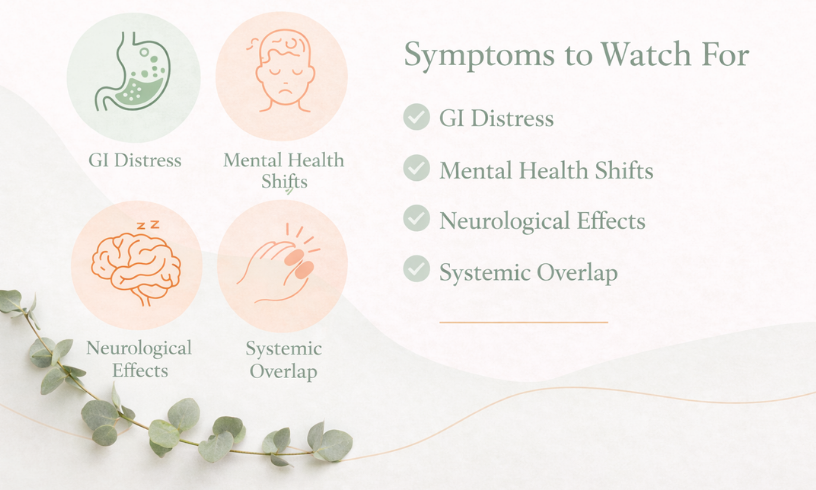
Patients often report a cascade of interconnected signs, blending gut woes with brain fog. Common complaints include:
- GI Distress: Bloating, irregular bowels, and food sensitivities, as dysbiosis ferments undigested carbs, increasing gas and permeability.
- Mental Health Shifts: Anxiety, irritability, low mood, and brain fog; up to 20% of adults face these, worsened by chronic stress activating the HPA axis via leaky gut.
- Neurological Effects: Fatigue, sleep disturbances, and cognitive haze, mimicking depression or ADHD. In severe cases, like bipolar or schizophrenia, microbial shifts amplify hallucinations or emotional dysregulation.
- Systemic Overlap: Joint pain or skin issues from inflammation, highlighting the microbiota-gut-immune-brain axis.
These symptoms vary by individual factors like diet and stress, with evidence from various studies showing dysbiosis in 70% of mood disorder cases.

Diagnosis starts with our providers at CTW who will work with you on thorough history taking and determination of the appropriate testing. The tests that may be necessary are:
- Stool Analysis: Assesses microbial diversity, gut inflammation, digestion and more.
- Zonulin: Measures intestinal permeability; elevated zonulin indicates leaky gut.
- Blood Markers: Check for endotoxemia (LPS levels), inflammation (CRP) and micronutrient deficiencies
Breath Tests: For SIBO, a dysbiosis driver increasing permeability.

Rebalancing requires holistic tweaks. Prioritize a Mediterranean-style diet: high-fiber veggies, fermented foods (yogurt, kimchi), and omega-3s to boost short chain fatty acid production and seal the gut. Aim for 25–30g fiber daily; avoid processed sugars that feed pathogens. Exercise (30 min moderate, 5x/week) and stress reduction (mindfulness, 10 min/day) enhance vagus nerve tone, reducing permeability. Sleep 7–9 hours to stabilize microbiota rhythms.
These supplements can help with restoring balance in the gut:
1.Probiotics (e.g., Lactobacillus/Bifidobacterium multi-strain) such are complete probiotics CTW – Restores diversity, lowers inflammation; reduces anxiety
2.Prebiotics such as fiber Prebiotic CTW– feeds beneficial bacteria and supports intestinal lining.
3.L – glutamine – Repairs gut lining, reduces permeability.
4.Omega – 3 – Anti- inflammatory, boosting brain resilience.

 Learn More

