

menu 919-999-0831

Gut Health, Mood, and the Mind

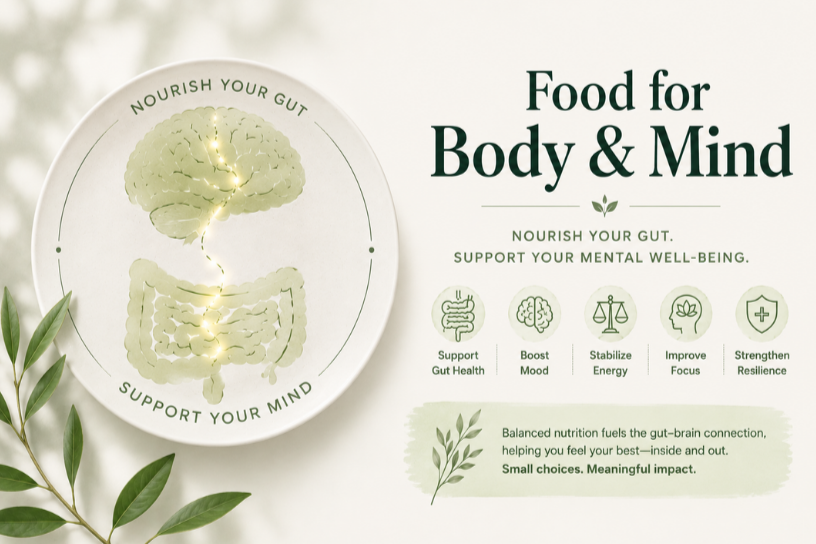
If the gut is the “second brain,” what we eat plays a powerful role in how we think, feel, and function.

The connection between mental and physical health goes both ways—supporting one supports the other. Here are five key nutrition strategies to help optimize both and improve your mental well-being.

1. Eat Probiotic- and Prebiotic-Rich Foods

The gut and brain are deeply connected, and a healthy gut microbiome can help reduce symptoms of depression, anxiety, and other mood disorders. About 95% of serotonin—our “feel-good” neurotransmitter—is produced in the gut.

  • Probiotics (beneficial bacteria): fermented foods like sauerkraut, kimchi, yogurt, miso, and tempeh
  • Prebiotics (fuel for good bacteria): fiber-rich foods like bananas, artichokes, leeks, garlic, asparagus, onions, and legumes

Focusing on a variety of plant foods helps nourish and diversify the gut microbiome.

2. Consume Adequate Protein

Protein supports mental health by stabilizing blood sugar, which helps regulate mood, energy, and stress hormones like cortisol. It also provides key nutrients such as vitamin B12, essential for brain function.

Additionally, protein intake influences neurotransmitters like dopamine and norepinephrine—both important for motivation, focus, and mood.
3. Incorporate Healthy Fats

Healthy fats are essential for brain health. They support brain energy, cell structure, and nutrient absorption (like vitamin D).

  • Sources include: avocado, olive oil, nuts, seeds, eggs, and fatty fish
  • Omega-3 fatty acids (found in salmon, mackerel, anchovies, herring, sardines, walnuts, and chia seeds) are especially important

Omega-3s are anti-inflammatory and have been linked to improved mood and reduced risk of mental health conditions.

4. Limit Processed Foods, Sugar, and Alcohol

Highly processed foods, added sugars, and alcohol can disrupt gut health and are associated with higher rates of depression, anxiety, and cognitive decline.

Reducing these and focusing on whole, minimally processed foods—while cooking more at home—can have a meaningful impact on both mental and physical well-being.

5. Supplement Appropriately

While food should be the foundation, supplements can help fill nutritional gaps and support mental health when needed.

Think of supplements as a supportive “backup,” not a replacement. Equally important is the experience of eating—sharing meals and enjoying food also contributes to emotional well-being.

Eating for mental health is about supporting the gut-brain connection through balanced, nutrient-dense choices. Small, consistent habits—like prioritizing whole foods, protein, healthy fats, and gut health—can create meaningful improvements in mood, energy, and overall well-being.

At Carolina Total Wellness, we’re here to support you in making these changes in a way that feels realistic and personalized. Whether it’s helping you build balanced meals, optimize gut health, or identify targeted nutrients and supplements, our team can guide you step by step so you feel confident and supported in your journey.

Gut Health, Mood, and the Mind

Did you know your gut houses trillions of microbes that communicate constantly with your brain?

This bidirectional highway, the gut-brain axis, influences mood, cognition, and stress responses. When gut dysbiosis—an imbalance in microbial diversity—strikes, it can breach intestinal permeability (aka “leaky gut”), allowing toxins and bacteria to leak into the bloodstream.

This triggers systemic inflammation, alters neurotransmitter production, and disrupts the blood-brain barrier, fueling mental health issues. Emerging research links this to anxiety, depression, and even schizophrenia, where dysbiosis correlates with reduced short-chain fatty acids (SCFAs) like butyrate, which normally calm neural inflammation.

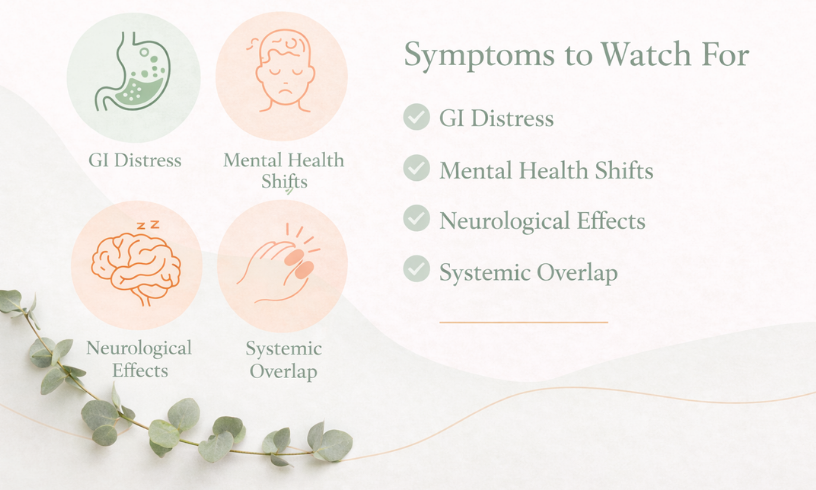
Patients often report a cascade of interconnected signs, blending gut woes with brain fog. Common complaints include:

  • GI Distress: Bloating, irregular bowels, and food sensitivities, as dysbiosis ferments undigested carbs, increasing gas and permeability.
  • Mental Health Shifts: Anxiety, irritability, low mood, and brain fog; up to 20% of adults face these, worsened by chronic stress activating the HPA axis via leaky gut.
  • Neurological Effects: Fatigue, sleep disturbances, and cognitive haze, mimicking depression or ADHD. In severe cases, like bipolar or schizophrenia, microbial shifts amplify hallucinations or emotional dysregulation.
  • Systemic Overlap: Joint pain or skin issues from inflammation, highlighting the microbiota-gut-immune-brain axis.

These symptoms vary by individual factors like diet and stress, with evidence from various studies showing dysbiosis in 70% of mood disorder cases.

Diagnosis starts with our providers at CTW who will work with you on thorough history taking and determination of the appropriate testing. The tests that may be necessary are:

  • Stool Analysis: Assesses microbial diversity, gut inflammation, digestion and more.
  • Zonulin: Measures intestinal permeability; elevated zonulin indicates leaky gut.
  • Blood Markers: Check for endotoxemia (LPS levels), inflammation (CRP) and micronutrient deficiencies

Breath Tests: For SIBO, a dysbiosis driver increasing permeability.

Rebalancing requires holistic tweaks. Prioritize a Mediterranean-style diet: high-fiber veggies, fermented foods (yogurt, kimchi), and omega-3s to boost short chain fatty acid production and seal the gut. Aim for 25–30g fiber daily; avoid processed sugars that feed pathogens. Exercise (30 min moderate, 5x/week) and stress reduction (mindfulness, 10 min/day) enhance vagus nerve tone, reducing permeability. Sleep 7–9 hours to stabilize microbiota rhythms.

These supplements can help with restoring balance in the gut:

1.Probiotics (e.g., Lactobacillus/Bifidobacterium multi-strain) such are complete probiotics CTW – Restores diversity, lowers inflammation; reduces anxiety

2.Prebiotics such as fiber Prebiotic CTW– feeds beneficial bacteria and supports intestinal lining.

3.L – glutamine – Repairs gut lining, reduces permeability.

4.Omega – 3 – Anti- inflammatory, boosting brain resilience.

5 Functional Ways to Prevent SIBO (or keep it from coming back)

If you’ve dealt with SIBO before, you know it’s not just about killing bacteria — it’s about avoiding the conditions that allowed overgrowth in the first place. In functional medicine, we focus on strengthening your gut’s natural defenses so bacteria don’t have the opportunity to overgrow again.

1. Support your Nervous System Daily

Chronic stress slows digestion, reduces stomach acid, and impairs motility — all risk factors for SIBO recurrence.

Simple practices like 5 minutes of slow breathing before meals, walking after dinner, prioritizing sleep, and limiting late-night screen time can dramatically improve gut movement and resilience.

2. Protect Stomach Acid and Digestive Function

Stomach acid helps sterilize food and trigger proper downstream digestion. Long-term acid suppression, chronic stress, and aging can lower acid production.

If you’re on acid-reducing medications, work with your functional medicine provider to reassess need.

To support your body’s natural acid and enzyme production at mealtime sit at a table, avoid electronic devices, eat slowly and chew thoroughly.

3. Keep Things Moving

Regular bowel movements are protective. Constipation increases the risk of bacterial overgrowth.

Hydration, adequate magnesium (if needed), daily movement, and fiber from tolerated vegetables all support healthy motility.

4. Space your Meals (stop grazing)

You don’t need to fear food — but high sugar intake and constant refined carbs can worsen fermentation (a.k.a. uncomfortable gas.)

Focus on protein, healthy fats, and non-starchy vegetables as your foundation.

THE BOTTOM LINE

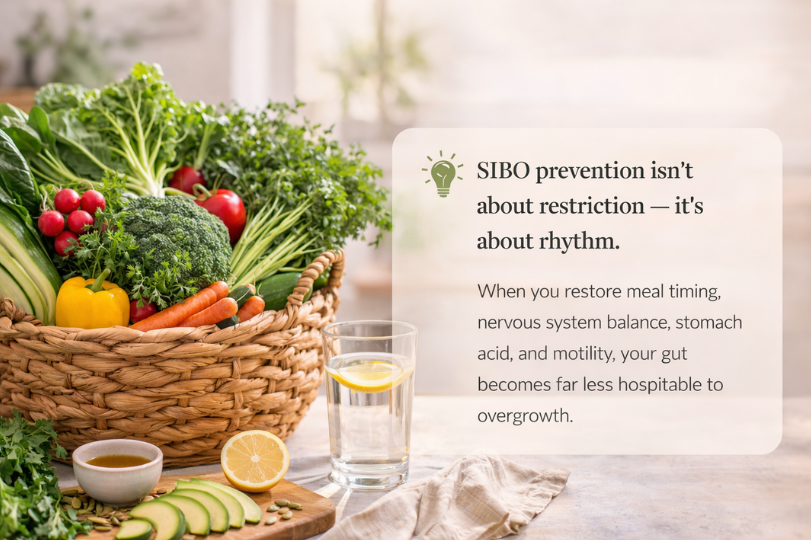
SIBO prevention isn’t about restriction — it’s about rhythm. When you restore meal timing, nervous system balance, stomach acid, and motility, your gut becomes far less hospitable to overgrowth.

If you’ve treated SIBO but symptoms keep returning, it may be time to shift from “eradication” to restoration. Make an appointment with your CTW care team for a plan tailored to your unique needs.

The IBS-SIBO Link: What your Gut is Telling You

April is recognized as Irritable Bowel Syndrome (IBS) Awareness Month. If you have been dealing with ongoing abdominal pain, bloating, and irregular bowel movements, you are not alone. IBS affects millions worldwide and can significantly disrupt daily life, often without clear structural abnormalities in the gut.

In functional medicine, IBS is not viewed as an isolated condition but as a signal of deeper systemic imbalance. One commonly overlooked contributor is Small Intestinal Bacterial Overgrowth (SIBO), a condition in which excessive bacteria accumulate in the small intestine. This overgrowth leads to fermentation, gas production, inflammation, and symptoms that closely mirror IBS.

Functional medicine uses a systems-based framework to understand how symptoms connect across the body. In IBS and SIBO, this begins with assimilation, or how the body digests and absorbs nutrients. Bacterial overgrowth can ferment undigested food, leading to bloating and nutrient deficiencies, often contributing to fatigue.

Defense and repair are also impacted. Chronic exposure to bacterial byproducts can weaken the gut lining and impair immune function. This inflammation can disrupt energy production at the cellular level, increasing overall fatigue.

Communication refers to the gut-brain axis. Stress can heighten pain sensitivity and alter gut function. Transport, or gut motility, plays a critical role as well. Slower movement allows bacteria to accumulate. Biotransformation and elimination may also be impaired, leading to poor detoxification and recirculation of toxins that worsen symptoms.

A personalized lens is essential. Antecedents such as early antibiotic use or family history may predispose individuals. Triggers like infections, dietary changes, or stress can initiate symptoms. Mediators, including chronic stress or poor dietary patterns, perpetuate the cycle.

Lifestyle factors significantly influence gut health. Poor sleep, limited movement, imbalanced nutrition, and ongoing stress all contribute to dysfunction. Addressing even one of these areas can create meaningful improvement across multiple systems.

At its core, IBS often reflects disruption within the gut microbiome. SIBO may develop due to reduced stomach acid, impaired motility, prior infections, or certain medications. These factors create an environment where bacteria can overgrow.

Triggers such as processed foods, antibiotics, or acute stress can initiate imbalance. Over time, mediators like chronic stress and inconsistent eating patterns sustain it, forming a feedback loop.

This dysfunction extends beyond digestion. The gut communicates directly with the brain via the vagus nerve, influencing mood and pain perception. It also interacts with the immune system, contributing to systemic inflammation, fatigue, and even skin concerns.

Functional medicine considers SIBO a potential upstream driver in many IBS cases, particularly in constipation- or diarrhea-predominant types. However, proper testing is essential to confirm diagnosis and guide treatment.

By addressing IBS and SIBO through this interconnected approach, the goal is not simply symptom relief, but restoration of balance and long-term gut health. Working with a Carolina Total Wellness physician can help tailor this process to your individual needs.

Functional Medicine

Functional medicine is a science-based health care approach to assess, prevent and treat complex chronic disease.

Answers to frequently asked questions provided by Carolina Total WellnessLearn More

Allergy Testing & Drops

After a brief allergy test, you can begin sublingual immunotherapy (SLIT), or allergy drops under the tongue. No more allergy shots!

learn more about Allergy testing and drops provided by [VAR_PRACTICE_NAME]Learn More

About Your Visit

Learn how to prepare for your visit and what to expect at your initial consultation and at your follow-up visits with our office.

What to expect at your appointment with Carolina Total WellnessLearn More

facebook icon twitter icon instagram icon