

menu 919-999-0831

Vacation, Meet Balance

August often brings a mix of sunshine, spontaneity, and travel plans—and with that, a break from routine. While it’s easy to fall into an “all or nothing” mindset on vacation, the goal isn’t perfection. It’s finding a rhythm that allows you to enjoy yourself while still feeling good in your body.

Start by shifting your perspective. Travel doesn’t have to mean abandoning your habits—it’s an opportunity to practice flexibility. Consistency isn’t about doing everything exactly the same; it’s about staying connected to what helps you feel your best, even in a different environment.

One of the simplest ways to support your health while traveling is to anchor your day with a few non-negotiables. This could be starting your morning with hydration, getting in some movement (even a short walk), or prioritizing protein at meals. These small touchpoints create a sense of stability without taking away from the experience.

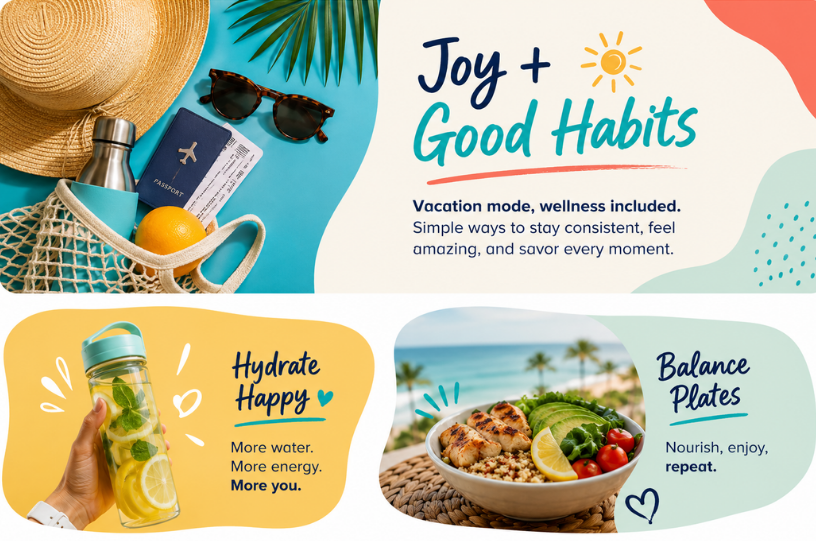
Hydration is especially important during summer travel. Between heat, flights, and changes in routine, it’s easy to become dehydrated without realizing it. Keeping a water bottle nearby and adding electrolytes when needed can make a noticeable difference in your energy and digestion.

When it comes to food, aim for balance—not restriction. Enjoy the local cuisine and the moments that come with it, while also tuning into how different foods make you feel. A helpful approach is to build your meals around protein, healthy fats, and fiber when you can, and then allow room for flexibility. You don’t need to “earn” your food or compensate for indulgences—just return to balance at your next meal.

Movement doesn’t have to be structured to be effective. Exploring a new city on foot, swimming, hiking, or even stretching in your hotel room all count. The goal is to keep your body engaged in ways that feel good, not forced.

Sleep can often take a hit while traveling, but even small efforts help. Try to get some natural light early in the day, wind down at night without screens when possible, and keep a loose rhythm to your sleep schedule. This can support your energy, mood, and overall resilience.

Perhaps most importantly, give yourself permission to enjoy the experience. Stressing about doing everything “right” can take away from the very reason you’re traveling. When you approach your health with flexibility and self-awareness, you create a sustainable way of living—one that supports both your well-being and your enjoyment.

At the end of the day, travel isn’t about getting everything “right”—it’s about staying connected to the habits that help you feel your best while fully enjoying the experience in front of you. And as you navigate that balance, having the right support can make all the difference.

Partnering with your practitioners at Carolina Total Wellness offers personalized guidance and practical strategies so you can move through your travels feeling confident, energized, and supported every step of the way.

Your Healthy Travel Guide

Summer time is a perfect time for travel but traveling often comes with challenging your body’s balance — disrupting sleep, increasing chance of illness, and straining circulation. Here’s how to protect your health during trips, focusing on light management, movement, and mindfulness to minimize disruptions.

Tame Jet Lag with Light and Timing

Crossing time zones disrupts your circadian rhythm or your body’s internal clock, leading to fatigue. Morning bright light exposure (e.g., sunlight or 10,000-lux lamps for 30-60 minutes) advances your clock eastward, while evening light delays it westward, hastening adaptation by up to 1.5 days per time zone. Combine with low-dose melatonin (0.5-5 mg) 30 minutes before bedtime in the new zone—effective for eastward flights over five zones. Avoid screens two hours before sleep; blue light suppresses melatonin by 23%. Short-haul travelers: Stick to home sleep schedules to preserve alertness. Consider taking Carolina Total Wellness Long Acting Melatonin for optimal sleep.

Prevent Deep Vein Thrombosis on Long Hauls

Immobility raises clot risk 2-3 times on flights over four hours. Graduated compression stockings (15-30 mmHg) can reduce the risk by 65%. Walk the aisle every 1-2 hours, perform ankle circles, and stay hydrated—aim for 8 oz of water every hour while on plane to counter cabin dehydration. If you had had a recent surgery, your doctor may even recommend a medication to prevent clot formation.

Bolster Immunity Against Infections

Airports and planes can expose you to many viruses; hand hygiene slashes acute respiratory infections by 14%. Wash hands with soap for 20 seconds or use 60% alcohol sanitizer. Support gut health through traveling as most of your immune system resides in the gut. Probiotics (e.g., Lactobacillus strains) cut upper respiratory infections by 24%, especially in travelers; aim to consume fermented foods to support the beneficial bacteria. Carolina Total Wellness offers an immune boosting formula called Transfer Factor which is excellent in supporting the immune system. Speak to your Carolina Total Wellness provider to discuss if this is right for you.

Ease Stress and Maintain Nutrition

Travel anxiety disrupts sleep; brief mindfulness practice reduces stress by 37% and boosts activity adherence. Practice 5-10 minute daily breathing which decreases anxiety. Speak to your Carolina Total Wellness Health Coach on how to incorporate a daily breathing practice in your routine. Hydrate proactively: Dehydration impairs cognition; aim for drinking half of your body weight in ounces of water per day, adding electrolytes for hot climates. Pack nutrient-dense snacks (nuts, fruits) to avoid processed airport food.

Holistic Habits for Resilience

Pre-trip: Get 7-9 hours sleep nightly and exercise moderately. During travel: Limit alcohol/caffeine, which worsen dehydration and jet lag. Post-arrival: Acclimate gradually—eat local but safely (peel fruits, avoid tap water). If symptoms arise (e.g., persistent fatigue), seek medical care; early intervention prevents complications.

These evidence-based steps—light therapy, compression, hygiene, probiotics, mindfulness—empower safer journeys. If you are planning to travel, consult with one of our CTW physicians who can help you optimize your wellness further to prepare for safe travels.

Sugar Cravings: What your Body is Really Asking For

If you’ve felt pressure to cut out sugar, eat “cleaner,” or quiet that constant snack voice, you’re not alone. Cravings aren’t a failure—they’re feedback. Often, they’re a sign that blood sugar isn’t well-balanced. Supporting blood sugar helps regulate energy, mood, and appetite, and may also play a role in reducing the risk of breast cancer. When blood sugar is supported, sugar cravings become far easier to manage.

Myth #1: “I Just Need More Willpower.”

You don’t need more discipline—you need better nourishment. When meals support blood sugar, and stress is managed, cravings naturally lose their intensity.

Myth #2: “I Need to Cut All Sugar.”

Completely cutting out sugar often adds pressure rather than relief. When foods are included with balance and intention, sugar loses its urgency. This helps break the restriction cycle and rebuild trust with your body—so enjoyment feels calm, not chaotic.

Myth #3: “Skipping Meals Will Help.”

Under-eating or overly aggressive fasting can lead to blood sugar crashes. Those crashes increase urgency around food, making cravings louder and harder to manage later in the day.

Cravings aren’t random—and they’re not self-sabotage. In most cases, they stem from identifiable root causes such as blood sugar dysregulation, inadequate fueling, chronic stress, or ingrained habits. When those drivers are addressed, cravings often soften significantly or even disappear.

Sustainable change requires a holistic approach that looks beyond restriction to metabolic health, meal timing, stress, and daily routines.

1. Front-Load Your Meals.

Skipping breakfast or under-eating early often sets the stage for stronger evening cravings. Aim for a protein-rich meal (25–30 grams) within 60–90 minutes of waking and space meals evenly throughout the day to reduce biological rebound eating.

2. Break the Habit Loop.

Not every craving is hunger—many are habit. That automatic desire for dessert is often just a familiar pattern. Because the brain prioritizes efficiency, it tends to repeat familiar behavioral patterns. Try replacing automatic snacks with comforting rituals, such as herbal tea, a short walk, a pause to check in with yourself, or changing your environment, which can help interrupt autopilot and create more mindful choices.

3. Balance Blood Sugar.

Even whole foods can drive cravings if meals aren’t balanced. Eating carbs without enough protein, fat, or fiber can spike blood sugar and trigger fatigue and sugar cravings hours later. Building meals with protein, fiber, and healthy fats—and eating carbs last—helps steady energy, mood, and appetite, making cravings much easier to manage.

Cravings aren’t something to fight—they’re something to understand. With the guidance of our providers and health coaches at Carolina Total Wellness, we help uncover what’s driving them in the first place—whether it’s blood sugar imbalance, stress, nutrient gaps, or habits.

By addressing the root cause and creating a plan tailored to you, cravings become steadier, calmer, and far more sustainable to manage over time.

Micronutrients and Chronic Illness: Unlocking the Power of Nutrition

Micronutrients, including vitamins and minerals, are essential nutrients required in small quantities but play a vital role in various physiological processes, such as immune function, antioxidant defense, enzyme activity, and gene regulation [1]. Let’s explore the specific micronutrients in foods that have been scientifically proven to benefit patients with hypertension, heart failure, osteoporosis, and cognitive decline.

Research has shown that a combination of Vitamin C and Selenium can help reduce blood pressure and lower the risk of hypertension [2]. Vitamin C, found in citrus fruits, berries, and leafy greens, has antioxidant properties that help to improve blood vessel function and reduce inflammation [3]. Selenium, found in Brazil nuts, fish, and turkey, has been shown to have a synergistic effect with Vitamin C, enhancing its antioxidant properties and reducing the risk of hypertension [2].

Omega-3 fatty acids, found in fatty fish, flaxseeds, and walnuts, have been shown to reduce the risk of heart failure and improve cardiac function [4]. These essential fatty acids have anti-inflammatory properties that help to reduce inflammation and improve blood lipid profiles, ultimately reducing the risk of heart failure [5].

Vitamin D and calcium are essential nutrients for bone health, and deficiencies in these micronutrients can increase the risk of osteoporosis [6]. Vitamin D, found in fatty fish and fortified dairy products, helps to regulate calcium levels and improve bone mineralization [7]. Calcium, found in dairy products, leafy greens, and fortified plant-based milk, is essential for building and maintaining strong bones [8].

Incorporating these micronutrients into your diet can be simple and delicious. Be sure to read our next newsletter for fun and healthy ways to make these foods an essential part of your diet. Remember to consult your functional medicine physician before making any significant changes to your diet.

Functional Flips for a Healthier Summer Cookout

Summer cookouts are a time for connection, sunshine, and great food—but they’re often filled with processed meats, sugary desserts, and disposable, well, everything. Traditional menus can leave us feeling bloated, fatigued, or inflamed. This season, choose nourishing, sustainable swaps that taste amazing and help you feel even better. 

SWAP #1: Kabobs Instead of Burgers or Hot Dogs 

Skip the heavy burger buns and enjoy colorful protein-packed skewers that are naturally gluten-free and customizable. 

Build-your-own kabob ideas: 

Marinade: olive oil + lemon juice + garlic + oregano or rosemary 

Proteins: wild-caught salmon or shrimp, organic chicken, grass-fed steak, marinated tofu or tempeh 

Veggies & Fruit: zucchini, red onion, bell peppers, cherry tomatoes, pineapple, mushrooms 

SWAP #3: Grilled Fruit Instead of Cobbler 

Ditch the sugary, gluten-heavy desserts and grill up nature’s candy for a fiber-rich, antioxidant-packed, naturally sweet treat without the crash. 

Easy grilled fruit ideas: 

Top with coconut whipped cream, chopped toasted nuts, or a sprinkle of cinnamon 

Peaches or nectarines: halved, brushed with coconut oil, grilled 2–3 mins per side 

Pineapple rings or watermelon slices: caramelize for a smoky-sweet flavor 

SWAP #4: Corn-Based or Bamboo Plates Instead of Plastic 

Did you know plastic plates and utensils can leach hormone-disrupting chemicals, especially when exposed to heat and sunlight?  

Here are some better options to support hormone health and reduce landfill waste: 

  • Compostable corn-based or bamboo plates and flatware 
  • Enamel or stainless steel reusable sets 
  • Cloth napkins for a zero-waste, elegant upgrade 

 Takeaways 

Enjoy real food. Celebrate connection. Support your health—naturally. 

Summer cookouts don’t have to derail your health goals. It IS possible to avoid gluten, dairy, and highly processed foods without missing out on celebrations with friends and family.  

Perfection is not the goal. Choose one swap that sounds good to you and let yourself enjoy the rest, if it won’t make you feel terrible afterwards.   

Subtle changes add up over time – and are more likely to be sustainable.  

Plate to Prevention: Your Guide to Cancer-Fighting Foods

Plate to Prevention

Your Guide to Cancer-Fighting Foods

Eating certain foods can play a vital role in reducing the risk of cancer by supporting your body’s natural defense mechanisms. Many foods contain powerful nutrients, antioxidants, and bioactive compounds that help fight inflammation, repair damaged cells, and enhance detoxification processes. A diet rich in these cancer-fighting foods can help protect your cells from oxidative stress, boost your immune system, and promote overall health. By choosing nutrient-dense foods that support your body’s natural healing and protective functions, you empower yourself to prevent cancer and other chronic diseases.

These cancer-fighting foods include:

First and foremost, let’s talk about cruciferous vegetables. These nutritional powerhouses include broccoli, cauliflower, Brussels sprouts, kale, and cabbage. They are rich in antioxidants, vitamins (like vitamin C and K), and minerals, but what makes them particularly beneficial is their sulfur-containing compounds, such as sulforaphane. Studies suggest that sulforaphane may help prevent cancer by enhancing the body’s detoxification enzymes and reducing inflammation.

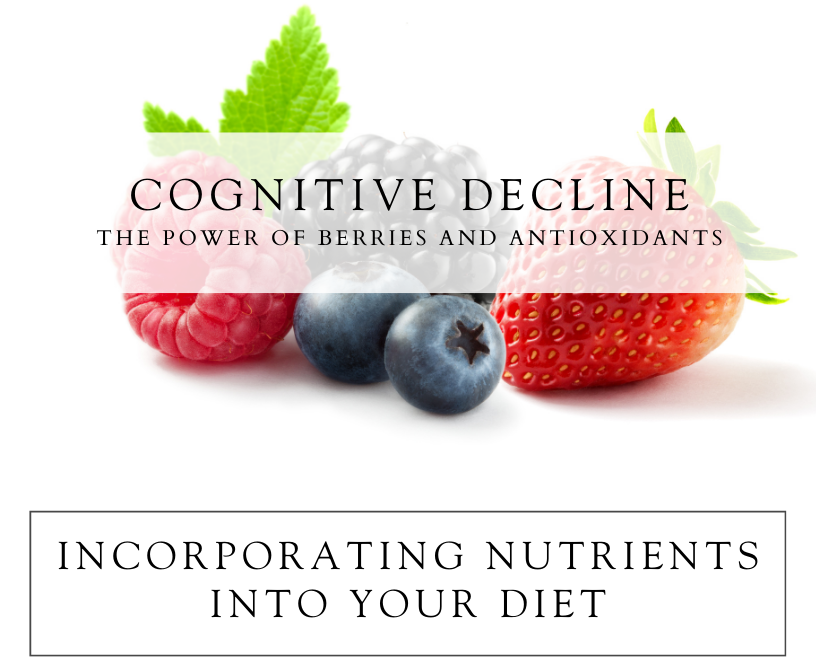
Berries—such as blueberries, strawberries, raspberries, and blackberries—are not only delicious but also packed with antioxidants like anthocyanins and flavonoids. These compounds have been shown to protect cells from damage that can lead to cancer. Including a variety of berries in your diet provides a flavorful way to boost your antioxidant intake and support your body’s defense against oxidative stress.

Whole grains like brown rice, quinoa and oats are excellent sources of fiber, vitamins, and minerals. Fiber is known for its role in promoting digestive health, but it also plays a significant role in reducing the risk of certain cancers, such as colorectal cancer.

Fatty fish such as salmon, trout, mackerel, and sardines are rich in omega-3 fatty acids, which are essential for heart health and have potent anti-inflammatory properties. Chronic inflammation is linked to an increased risk of cancer, making omega-3 fatty acids a valuable addition to your diet. Aim to incorporate fatty fish into your meals at least twice a week to reap their health benefits.

Green tea is renowned for its high concentration of polyphenols, particularly catechins, which have powerful antioxidant properties. Studies suggest that catechins may help prevent cell damage that can lead to cancer. Enjoying a cup or two of green tea daily supports your body’s natural defense mechanisms against oxidative stress.

Garlic and onions, members of the allium vegetable family, are known for their distinct flavors and potent health benefits. They contain sulfur compounds, flavonoids, and other bioactive substances that have been studied for their potential anticancer effects. Including garlic and onions in your cooking not only enhances the taste of your meals but also contributes to your overall health and cancer prevention efforts.

In conclusion, your dietary choices play a significant role in reducing your risk of cancer. By incorporating cruciferous vegetables, berries, whole grains, fatty fish, green tea, garlic, and onions into your meals regularly, you can harness the power of nutrition to support your health goals. Remember, small changes in your diet can yield significant benefits over time.

Your Partner In Health,

Sara Yadlowsky

Health Coach Carolina Total Wellness

Health Coaching

Erica Nelson, MSPH, NBC-HWC 

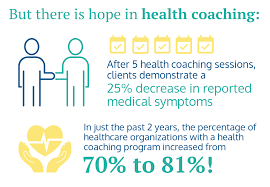
The legendary basketball coach, John Wooden once said, “A good coach can change a game. A great coach can change a life.”  At Carolina Total Wellness, our coaches help our patients change their lives every day.Every patient at Carolina Total Wellness that sees a doctor or physician assistant is paired with a health coach. Some patients may also choose to work solely with a health coach to achieve their dietary and lifestyle goals. This article will help you know what to expect when you work with a health coach.

Here are 3 key aspects of the health coaching experience at Carolina Total Wellness:

The Space Between
Health coaches hold space for you to pause… and decide how you want to respond to your circumstances. The world today is a seemingly relentless onslaught of stimulation, and it can feel like there is an urgency to react to all of that stimulation.

George Mumford, meditation coach to Michael Jordan, LeBron James, Kobe Bryant and other world-class athletes offers another way, ‘Think about the eye of a hurricane.’ He says, ‘No matter how intense the storm or what’s swept up in its gale-force winds, that calm, blue center is always there. We all have this quiet center within us.’  Your CTW coach will help you respond from that quiet center within, rather than reacting from the chaos of the storm.

In our office, health coaches hold space for you to make sense of what is going on in your world and in your body and decide how you want to respond. Health coaches always honor the fact that you are the expert on your own life and display unconditional positive regard for you and whatever lifestyle decisions you choose. They pay attention to what matters to you and may offer suggestions for adjustments that fit into your life.

Translator
The science of the body and its systems are the physician’s expertise. Science of behavior change is the coach’s expertise. Our coaches help you translate medical science you discuss with your doctor or PA into evidence-based behavioral change strategies to optimize your health. When you combine the medical knowledge of our physicians and PA with your coach’s expertise in the science of motivation, habits, and change, many of the barriers to experiencing health fall away.

Each of the coaches at CTW has at least a bachelor’s degree from an accredited university and training in coaching from either the Functional Medicine Coaching Academy or Duke University. Some of them also have master’s degrees and other specialized training in nutrition, exercise, counseling, and other relevant fields. Unless otherwise specified, CTW coaches are not registered dietitians, licensed mental health professionals or certified fitness professionals.

Guide
In the words of Michael Jordan, ‘A coach is someone that sees beyond your limits and guides you to greatness!’ CTW coaches come to the table with empathy for whatever you are facing and feeling and confidence in your ability to overcome. Each coach has faced their own struggles in life and knows what it is like to work hard to overcome. However, coaches never replace you as the expert on you; they serve as your guide on your journey to health. Coaches can help you understand all the different ways you can try intermittent fasting or yoga or what, exactly, is ‘glycemic index.’ Maybe our most important job, though, is to help you get very clear on your vision of the healthiest version of you. Once you decide where it is you want to go, coaches provide education, support and accountability to knock down any stumbling blocks that may come up along the way.
 
Call us today to schedule your appointment with one of our health coaches.
 

Erica Nelson, MSPH, NBC-HWC 

Functional Medicine

Functional medicine is a science-based health care approach to assess, prevent and treat complex chronic disease.

Answers to frequently asked questions provided by Carolina Total WellnessLearn More

Allergy Testing & Drops

After a brief allergy test, you can begin sublingual immunotherapy (SLIT), or allergy drops under the tongue. No more allergy shots!

learn more about Allergy testing and drops provided by [VAR_PRACTICE_NAME]Learn More

About Your Visit

Learn how to prepare for your visit and what to expect at your initial consultation and at your follow-up visits with our office.

What to expect at your appointment with Carolina Total WellnessLearn More

facebook icon twitter icon instagram icon