




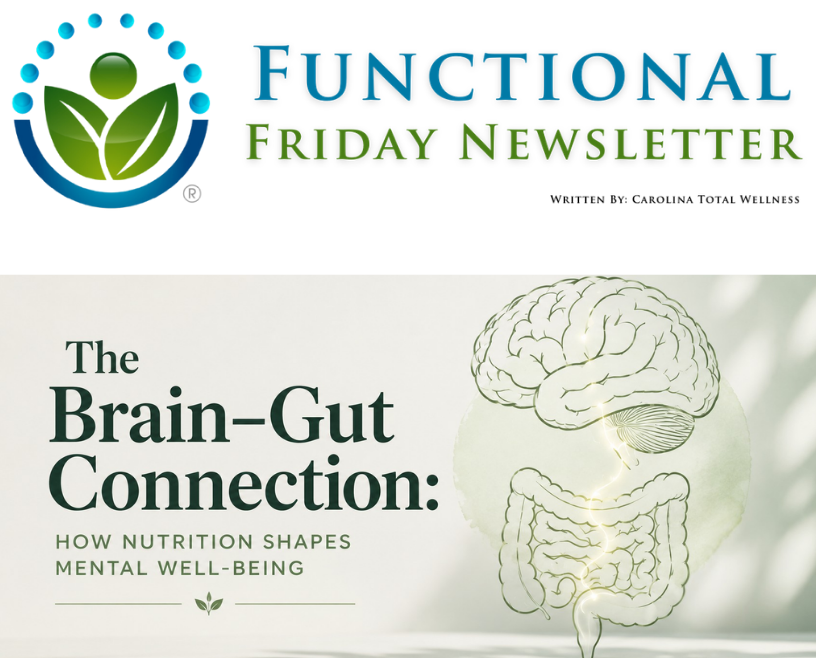
If the gut is the “second brain,” what we eat plays a powerful role in how we think, feel, and function.
The connection between mental and physical health goes both ways—supporting one supports the other. Here are five key nutrition strategies to help optimize both and improve your mental well-being.

1. Eat Probiotic- and Prebiotic-Rich Foods
The gut and brain are deeply connected, and a healthy gut microbiome can help reduce symptoms of depression, anxiety, and other mood disorders. About 95% of serotonin—our “feel-good” neurotransmitter—is produced in the gut.
- Probiotics (beneficial bacteria): fermented foods like sauerkraut, kimchi, yogurt, miso, and tempeh
- Prebiotics (fuel for good bacteria): fiber-rich foods like bananas, artichokes, leeks, garlic, asparagus, onions, and legumes
Focusing on a variety of plant foods helps nourish and diversify the gut microbiome.
2. Consume Adequate Protein
Protein supports mental health by stabilizing blood sugar, which helps regulate mood, energy, and stress hormones like cortisol. It also provides key nutrients such as vitamin B12, essential for brain function.
Additionally, protein intake influences neurotransmitters like dopamine and norepinephrine—both important for motivation, focus, and mood.
3. Incorporate Healthy Fats
Healthy fats are essential for brain health. They support brain energy, cell structure, and nutrient absorption (like vitamin D).
- Sources include: avocado, olive oil, nuts, seeds, eggs, and fatty fish
- Omega-3 fatty acids (found in salmon, mackerel, anchovies, herring, sardines, walnuts, and chia seeds) are especially important
Omega-3s are anti-inflammatory and have been linked to improved mood and reduced risk of mental health conditions.
4. Limit Processed Foods, Sugar, and Alcohol
Highly processed foods, added sugars, and alcohol can disrupt gut health and are associated with higher rates of depression, anxiety, and cognitive decline.
Reducing these and focusing on whole, minimally processed foods—while cooking more at home—can have a meaningful impact on both mental and physical well-being.
5. Supplement Appropriately
While food should be the foundation, supplements can help fill nutritional gaps and support mental health when needed.
Think of supplements as a supportive “backup,” not a replacement. Equally important is the experience of eating—sharing meals and enjoying food also contributes to emotional well-being.
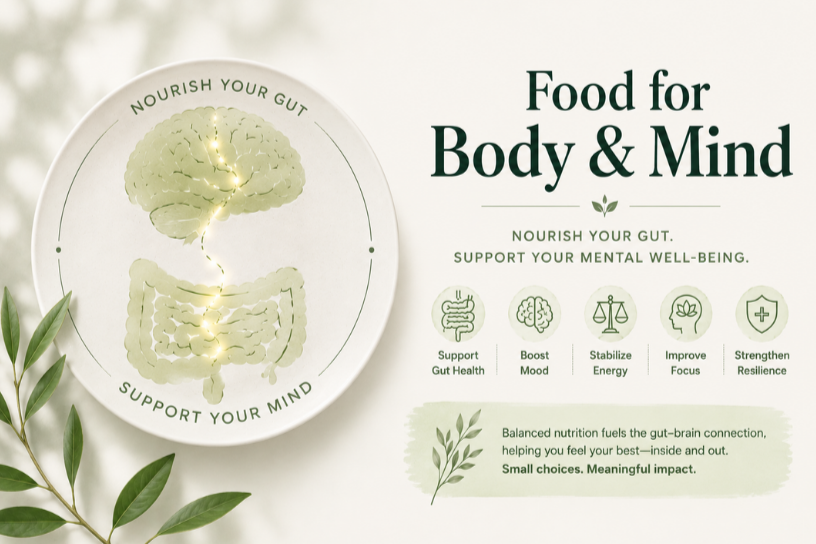
Eating for mental health is about supporting the gut-brain connection through balanced, nutrient-dense choices. Small, consistent habits—like prioritizing whole foods, protein, healthy fats, and gut health—can create meaningful improvements in mood, energy, and overall well-being.
At Carolina Total Wellness, we’re here to support you in making these changes in a way that feels realistic and personalized. Whether it’s helping you build balanced meals, optimize gut health, or identify targeted nutrients and supplements, our team can guide you step by step so you feel confident and supported in your journey.

 Learn More

