

menu 919-999-0831

Functional Fertility

Blair Cuneo, PA-C
Functional Fertility: Basics and Beyond for Pre-conception

Whether trying to conceive naturally or going through advanced reproductive options, there are lifestyle, nutritional, nutraceutical and botanical interventions to support optimal fertility.

We need balanced hormone communication and low levels of inflammation for a woman’s body to create and nourish new life. There are major leverage points for understanding your body’s baseline of communication and inflammation. These include the Basics: checking in with your sleep quality and daily nutrient intake; and Beyond: testing for personalized understanding of your hormonal health, nutrient needs and inflammatory status.

Basics:

Some quality Zzzs…
Good sleep hygiene is important for our general restoration, healing and detoxification. Our daily circadian rhythm should be an appropriate balance of our stress hormone cortisol, and our restorative hormone, melatonin. Related to healthy menstrual cycles, chronic low overnight melatonin impacts hormone signaling between the brain and ovaries. Hormones necessary for conception include luteinizing hormone (LH), estrogen and progesterone. Production of these hormones is decreased in chronic low melatonin levels.

Melatonin is an important antioxidant in the follicular fluid ovarian eggs are swimming in. It acts as a strong scavenger of free radicals, protecting egg cells from cellular damage. Melatonin is also anti-inflammatory, turning down cranky messengers like NF-KB and turning up calming ones like IL-4 and IL-10. Studies with IVF patients taking even 3mg of melatonin nightly days 5 until mid-cycle showed a 4-fold increase in follicular melatonin, which resulted in decreased oxidative damage of these eggs and higher pregnancy rates.

Regular sleep is key for fertility. Aim for 8 hours nightly and turn off screens at least one hour before bedtime. This is to address not only the blue light impact on wakefulness, but also to limit the cognitive and psychological stimulation from texting and scrolling through feeds, for example. Use the later hours in the day to turn your attention inward and cultivate, rather than demand, sleep. Consider breathing exercises, calming herbal teas including chamomile and lemon balm, gratitude journaling and yoga nidra.

Step away from the chicken fried biscuit….
When examining your nutrient intake, if you need a template to guide changes, I recommend the Mediterranean food plan. It has shown to improve markers of fertility for females and males.  Its major principles include:

Emphasis on fruits and vegetables, providing great phytonutrient and antioxidant diversity

Higher content of omega 3 fatty acids, which are anti-inflammatory, support cell membranes and improve blood viscosity which ensures good blood flow to the uterus

Mediterranean foods are rich in B6 and folate – fertility boosting nutrients!

Dietary fiber from vegetables and grains – keeps bowels moving regularly to support healthy detox to mobilize toxins and hormone metabolites like high estrogen, high cortisol.

Beyond:
How’s my thyroid doing?
Low thyroid function affects fertility. Around 1/3 of women experiencing subfertility have thyroid disease. The ovaries and egg cells have receptors for thyroid hormone. Thyroid testing includes TSH, free T4, free T3. TSH levels <3 are associated with better ovarian reserve. It’s important to also consider antibodies to the thyroid. Even in a patient with normal thyroid levels, presence of thyroid antibodies is correlated to increased rates of miscarriage and pregnancy-related complications. 

What’s my Vitamin D level?
Vitamin D deficiency is linked to a number of reproductive issues, including gestational diabetes, endometriosis and PCOS. Vitamin D levels >30ng/mL are associated with greater rates of pregnancy. This is likely due to higher levels of anti-mullerian hormone (AMH) when vitamin D is sufficient. The more AMH, the more eggs in the ovarian reserve, the more changes for successful pregnancy. Vitamin D is also involved in helping create endometrial docking sites to help an embryo attach and hold on tight!

What’s my iron status?
Iron deficiency is common in subfertility. Iron’s job is to deliver oxygen to tissues throughout the body, including the uterus and ovaries. Chronic oxygen deprivation can take a toll on egg quality and result in anovulation. Adequate iron levels build a nice, fluffy endometrium…a cozy place for an embryo to attach.

Am I inflamed, you ask?
A balanced immune system is important in order to conceive and carry pregnancy to term. One’s general level of inflammation can be assessed with the blood test, hs-CRP. Contributors to systemic inflammation include gum disease, food sensitivities, insulin resistance and imbalances in gut microbiome. Nutrients and botanicals to help reduce inflammation include omega 3s (fish oil) and curcumin. Additional testing is available to further investigate these areas of potential inflammation if needed.

Help your cup “run-eth” over
With all things, give yourself grace and start from a place of fullness. Know that you are enough! By integrating supports to reduce inflammation and balance communication, your internal supports will overflow to support the life of another. Fill your body with adequate sleep, nutrients, love, support and confidence!

Your Partner In Health!
Blair Cuneo, PA-C

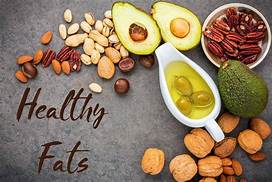
Top 5 Heart Healthy Fats

1. Butter

It is a very common fat that everybody has (or should have from now on) in their fridge. As opposed to industrial trans fat, which increases the the risk of heart disease, the trans-rumenic acid called conjugated linoleic acid (CLA) is thought to decrease the risk for cardiovescular disease. CLA along with other natural trans fats as well as vitamin K2 are abundantly found in grass-fed meat and dairy products, which is why butter is a great source to maintain cardiovescular health and to prevent heart attacks.

2. Coconut Oil

Coconut oil currently has gained in popularity for all kinds of health remedies and benefits. The hype is justified and it definitely belongs in the kitchen and on this list! First of all, coconut oil is one of the best oils to cook with as it is with more than 90% almost entirely saturated. Its chemical structure stands out to other fats and oils in our diet, which has a significant effect on the body and the heart. Coconut oil is composed of a special type of saturated fat called medium chain triglyceride (MCT). This structure makes the oil special because the vast majority of fats and oils we consume are composed of long-chain fatty acids (LCFA). In fact, both the saturated and unsaturated fat found in meat, eggs, milk, and plants consist of LCFA.

That means that most of the western world gets way too much of these fats and not enough of the MCFA’s that are found in coconut oil.

Why does that matter? Because of its shorter chemical composition, MCFA’s are absorbed with ease without requiring pancreatic enzymes to break them down. This means less work for the pancreas and the fatty acids can go directly to the liver from where they go into the mitochondrias and are immediately utilized for energy. The best part is that coconut oil makes our heart happy by protecting it from heart disease as well as lowering the risk of atherosclerosis.

3. Duck Fat

Just like butter, duck fat is packed with the favorable CLA’s and natural trans fat that were found, in animal studies, to prevent fatty streaks and plaque formation in the arteries of rodents by changing macrophage lipid metabolism.

Another statistic, however, shows that the same effect seems to apply for humans as well. According to the World Health Organization’s Multinational Monitoring of Trends and Determinants, in the United States, of every 100,000 middle-aged men, 315 die of heart attacks each year. However, in the Gascony region, where duck liver is a steady part of the diet, this rate is only 80 per 100,000. A great statistic for the consumption of duck fat and the relation to a healthier heart!

4. Leaf Lard

This fat is a highly popular fat in the kitchen of every celebrity cook. For good reason! Lard is a very stable fat which makes it an excellent choice for frying. Morover, it has a higher smoking point than other fats therefore it is excellent for cooking in general. It is gained from the visceral fat deposit that surrounds the kidney and loin and because of its little pork flavor, leaf lard is considered the highest grade of lard.

Nutritionally speaking, lard is composed of more than twice the monosaturated fat and nearly one-fourth the saturated fat than butter. In addition to that, it is also low in omega-6 fatty acids, known to promote inflammation, which is good news for a healthy heart.

5. Ghee

Ghee, a great fat for cooking, taste, and cardiovescular health. It is made from butter, however, the milk solids and impurities are removed, which makes it consumer friendly for everybody, including people who are lactose or casein intolerant.

Just like coconut oil, it is composed of medium chain fatty acids (MCFA), which are directly absorbed to the liver and burned as energy. Besides of being a fabulous energy source, it contributes to a healthy heart as it protects the arteries from hardening. A study from 2010 found that people in India, where ghee is originated from and thus has the highest population of consumers, had fewer cases of heart disease than our western world.

HORMONES! A Balancing Act

Blair Cuneo
By Blair Cuneo, PA-C

Sister Act: The Story of E&P

We are all trying to seek balance and the systems in our body are no different, particularly our hormonal system. The differences between the many hormones in our bodies and the roles they play are meant to balance each other. This ying and yang is beautiful and important! Sure, there may be an appropriate time for one hormone to be in abundance, but not all the time. The consequences of imbalance are felt in our bodies, brains and by our loved ones sometimes! And unfortunately, when we do reach out for help, there can be misunderstanding, misdiagnosis and totally missing the mark on root cause.

Today we focus on the dance between estrogen and progesterone in our menstrual cycles and what happens when balance is lost. There is a natural shift over time, but the way we live, what we eat, the products we use in our home, and imbalance in our microbiome and detox health can speed up and intensify the process.

Mood changes, sleep disruption, menstrual cycle changes, nothing’s off limits. Today we hope to empower you with the knowledge of understanding the typical hormone timeline, recognizing signs your body may be sending to warn you and what tools to implement to find your balance again.

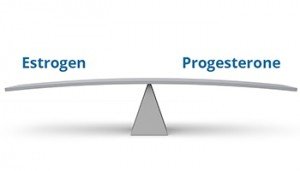
Your providers at CTW like to think of Estrogen and Progesterone as sisters with different personalities. Estrogen is exciting, loud, provocative, and loves with all her heart (while protecting yours)!  Progesterone is calm, steady, grounding, healing and gives you an inner glow.

Specific to your menstrual cycles, the first half of your cycle is ruled by Estrogen. She’s out there as a mover and a shaker, stimulating the ovaries to create and release an egg, encouraging the lining of your uterus to grow lush and large. After all of that hard work she *should* take a break and pass the baton to Progesterone.

Progesterone maintains that lining to welcome a potential very special guest… a fertilized egg. Hoping to turn this quick visit to a longer engagement, she’s sending out calming, grounding vibes and remaining present. But alas if this is not the way, with either no visitor or the wrong kind of visitor, she steps aside, the lining gives way, leaves the body in menstruation and the process starts again with big sis, E.

This is the healthy pattern in our child-bearing years, but as dysfunction becomes more common in our society, this may not be the “normal” pattern. We intentionally labeled Estrogen as the big sister, because she is the more dominant force between the two. If Estrogen is having too much of a good time, she is loud, lingering and can get kind of annoying.  Progesterone is quiet and waiting off to the side, not able to provide her needed support and countermeasures.

Estrogen is produced not only by our ovaries, but also our adrenals and stored fat. Additionally it can enter our body in the form of fake estrogens, chemicals called xenoestrogens. These chemicals are estrogen wannabes and do as E does. They can be found lurking in our water, our food, even our personal care and household products. Gross.

When we want the party to be over, our body tries to reduce estrogen by breaking it down in our liver and sending it away via the toilet in a healthy bowel movement. Good bacteria in our gut are also trying to breakdown and escort out this fiery one, but only if good bacteria is in adequate amounts. Otherwise, non-beneficial bacteria act as estrogen promoters, sending out little enzyme agents to keep the party going.

Now let’s talk about the two times the female body will experience internal decline of progesterone beyond our monthly cycle. One, is very dramatic and the other, slow and steady.

During pregnancy, progesterone is sticking around and plays the lead role in maintaining a beautiful, lush environment for a thriving pregnancy. After pregnancy, progesterone dramatically decreases and that’s a big shift after 9 months! Mentally, we can experience this as postpartum mood changes like anxiety or depression.

A more subtle change over time is related to our bodies natural decline in progesterone production, which begins around age 35. From 35-50 years of age, Progesterone decreases 75%, while estrogen is only decreasing about 35%. And chances are, estrogen was already in abundance before this began.

So what might YOU be feeling if the sisters aren’t taking turns?

Again, we think of Estrogen as exciting, aka stimulating and things are more intense:

PMS
Breast tenderness
Pain with periods
Heavier and/or longer bleeding days
Irregular cycles
Mood swings
Brain fog
Sleep disturbances

What can YOU do to reduce estrogen?

At least one soft daily bowel movement is necessary! We are what we don’t poop!
You can help this lovely process and support healthy microbiome by eating prebiotic foods, rich in fiber and probiotic foods, rich in bacteria.

Eat Clean food! Limit processed foods, avoid artificial flavors and colors. Eat organic when you can, especially if it’s on the “Dirty Dozen” list, distributed annually by the Environmental Working Group.

Drink Clean water! Use a water filtration system, either countertop or whole home to reduce toxins.

Plastics….reduce your use! Plastic has softeners that are major Estrogen wannabes. Ditch those plastic water bottles, plastic food storage containers and microwaved plastic meals.

Check your makeup, personal hygiene products, cooking and cleaning supplies products for hidden xenoestrogens: parabens, phthalates, BPA, nonstick coatings.

Essential oils: rosemary


What can YOU do to increase progesterone?

Eat vitamin B rich foods! Salmon, leafy greens, organ meats, eggs, oysters, mussels…

Wild Yams are also progesterone enhancing foods, but not sweet potatoes.

Essential oils: thyme


Above just scratches the surface on two of the players involved in hormonal balance. While there are many things you can initiate on your own, there are also options for evaluation and support that a well-trained health care provider can offer. These tools and supports help you understand the needs of your unique system and implement successful, sustaining strategies to maintain your balance for many years to come!

We are honored to be your partners in health! Let us know if you would like to schedule an appointment to discuss your “Sister Act” personally by calling 919.999.0831. 

Functional Medicine

Functional medicine is a science-based health care approach to assess, prevent and treat complex chronic disease.

Answers to frequently asked questions provided by Carolina Total WellnessLearn More

Allergy Testing & Drops

After a brief allergy test, you can begin sublingual immunotherapy (SLIT), or allergy drops under the tongue. No more allergy shots!

learn more about Allergy testing and drops provided by [VAR_PRACTICE_NAME]Learn More

About Your Visit

Learn how to prepare for your visit and what to expect at your initial consultation and at your follow-up visits with our office.

What to expect at your appointment with Carolina Total WellnessLearn More

facebook icon twitter icon instagram icon